Images from a historic day at the U.S. Capitol
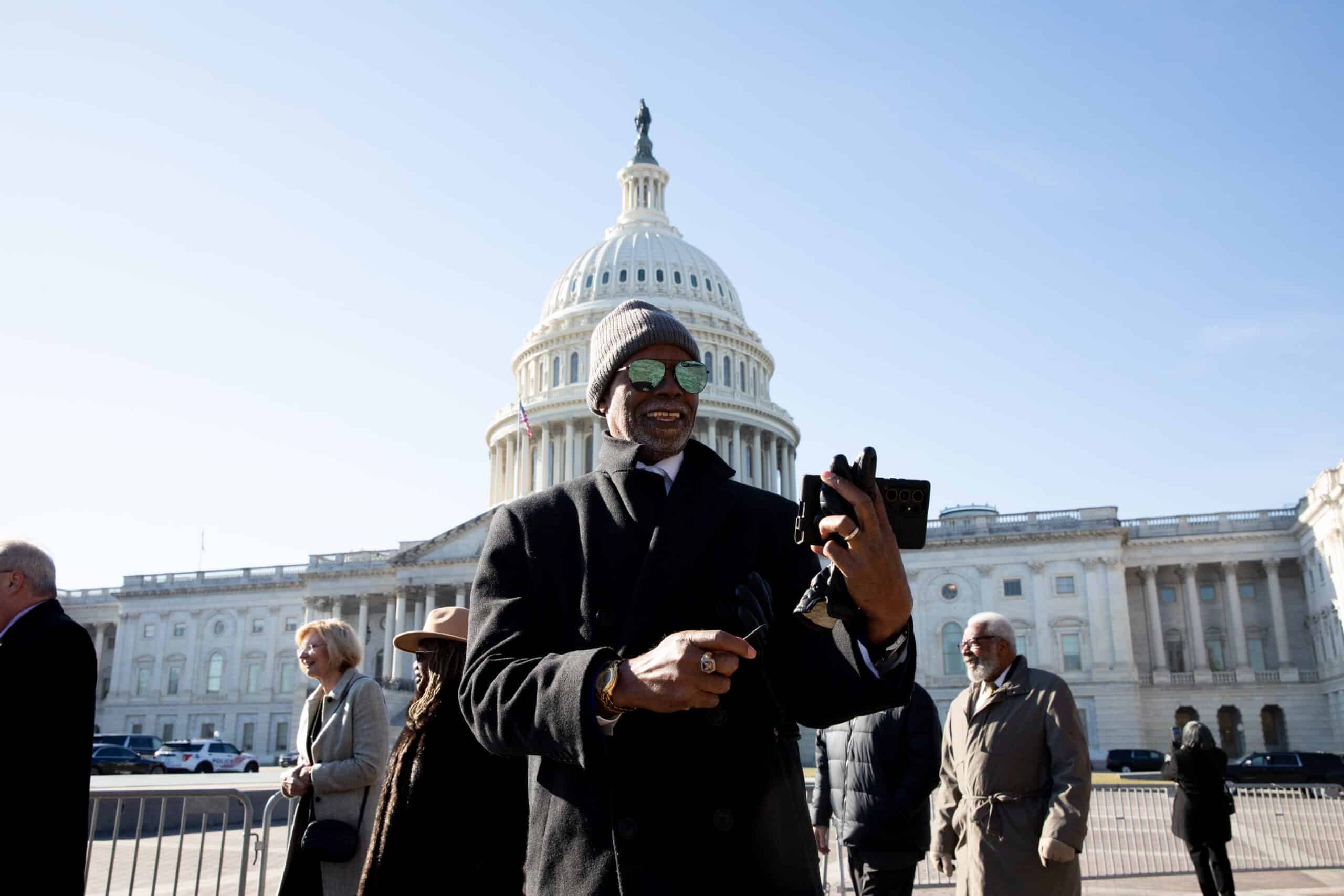
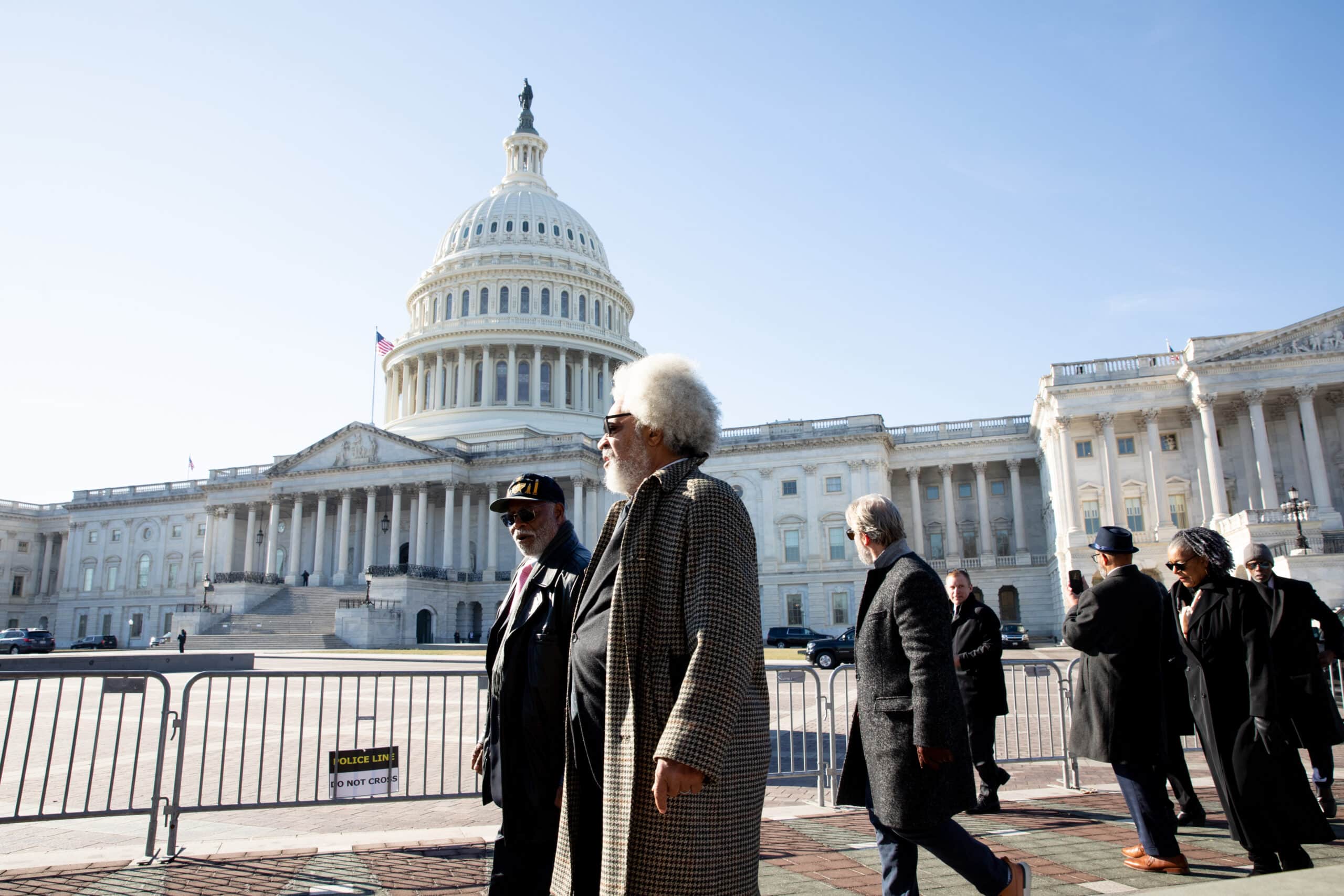
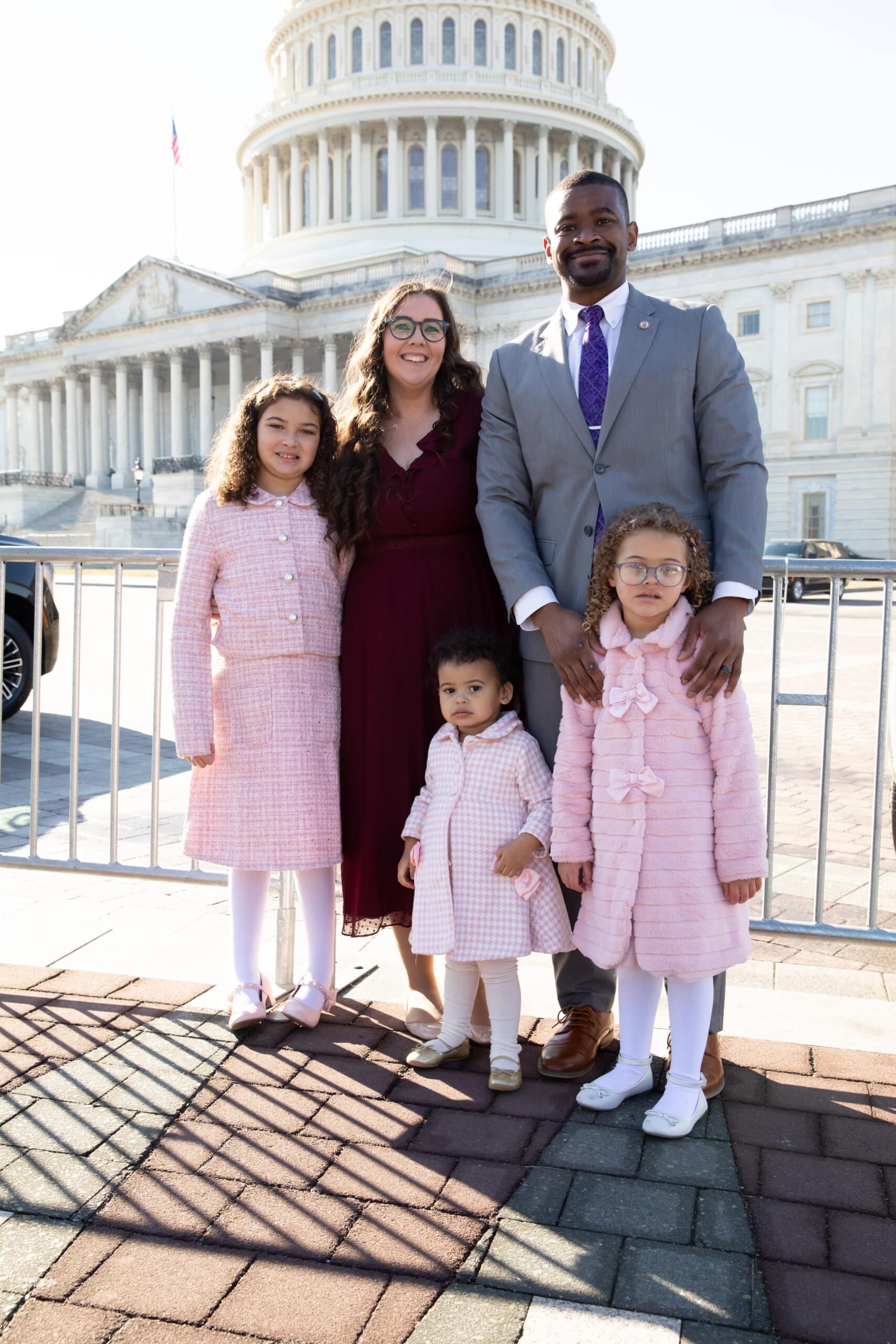
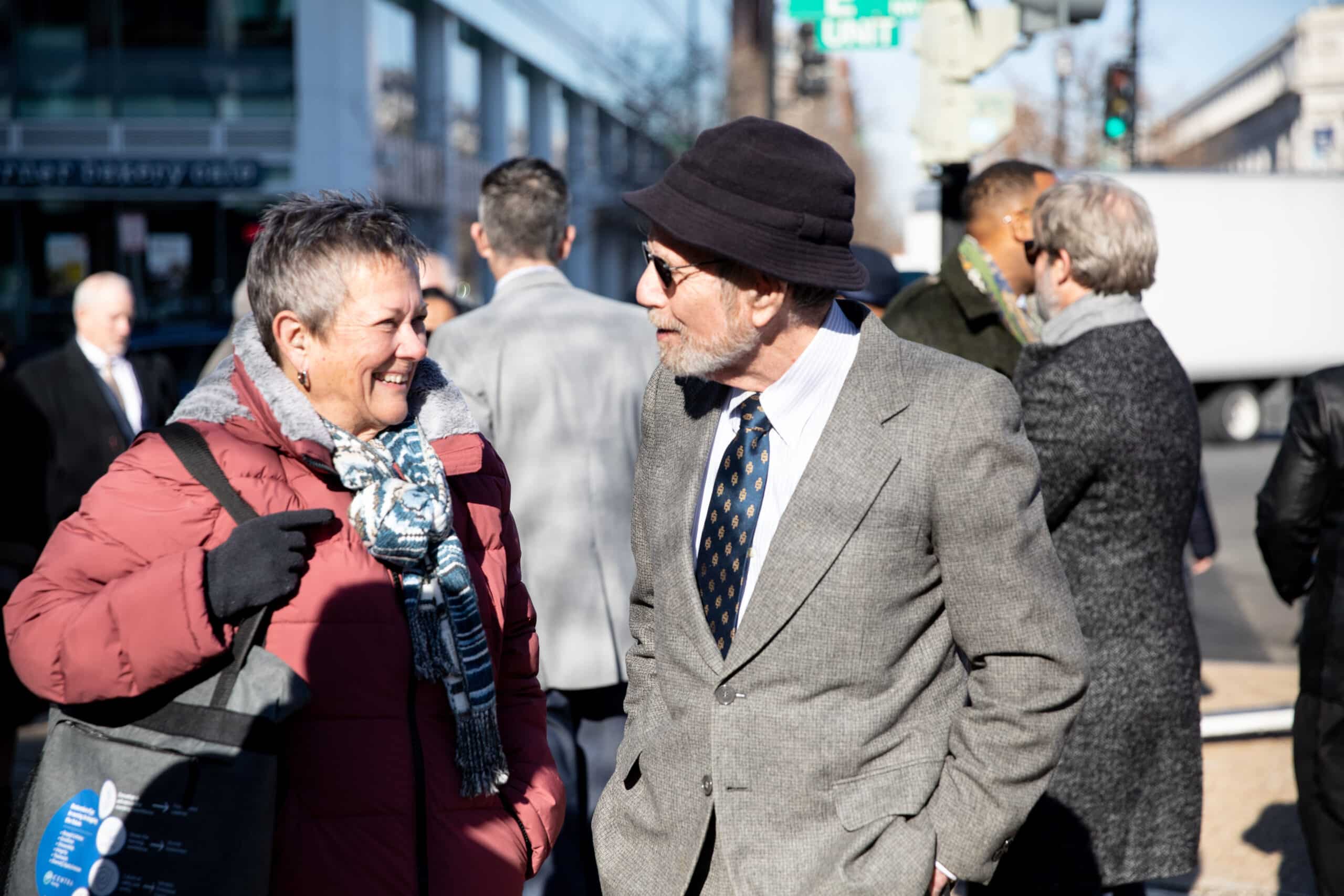
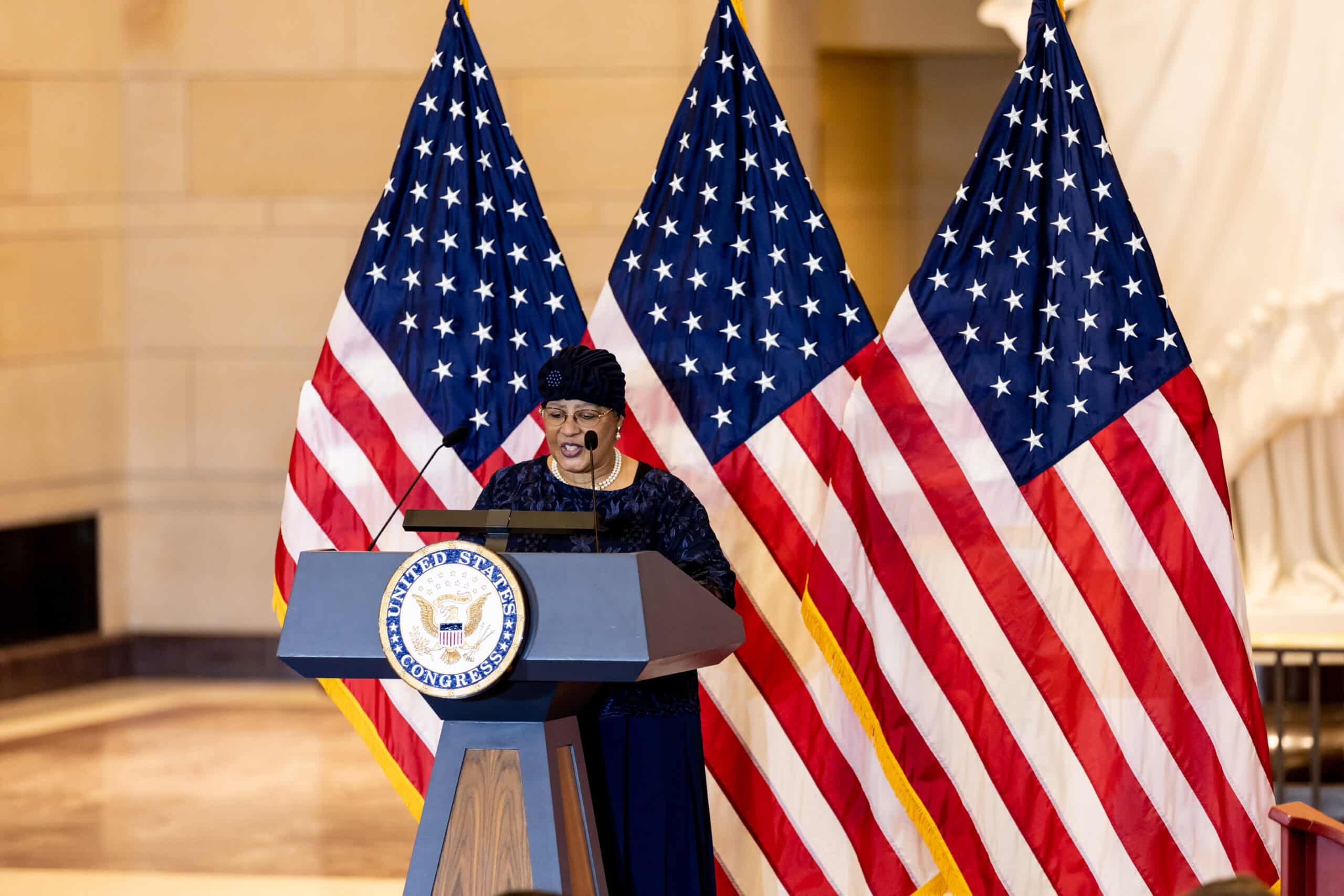
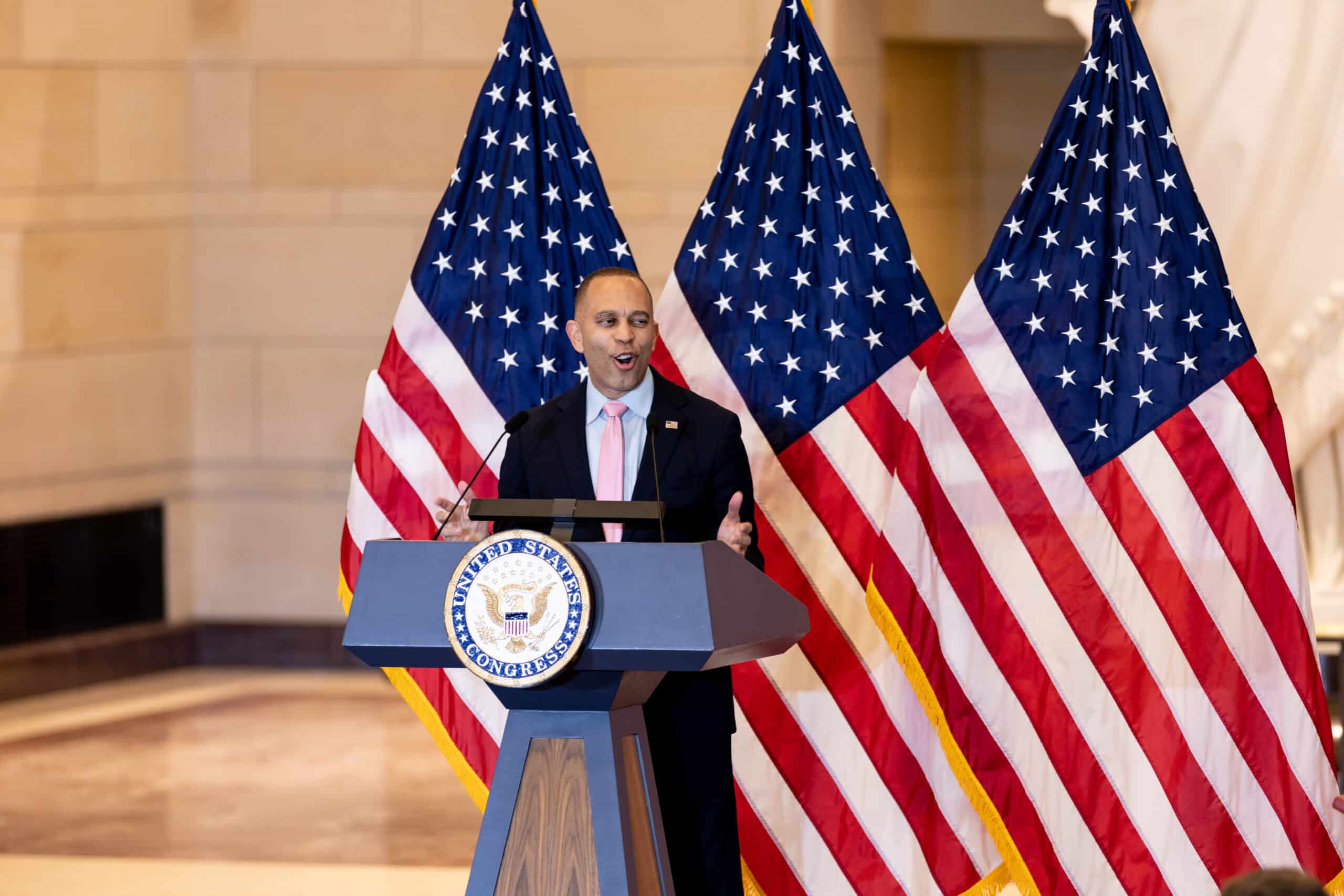
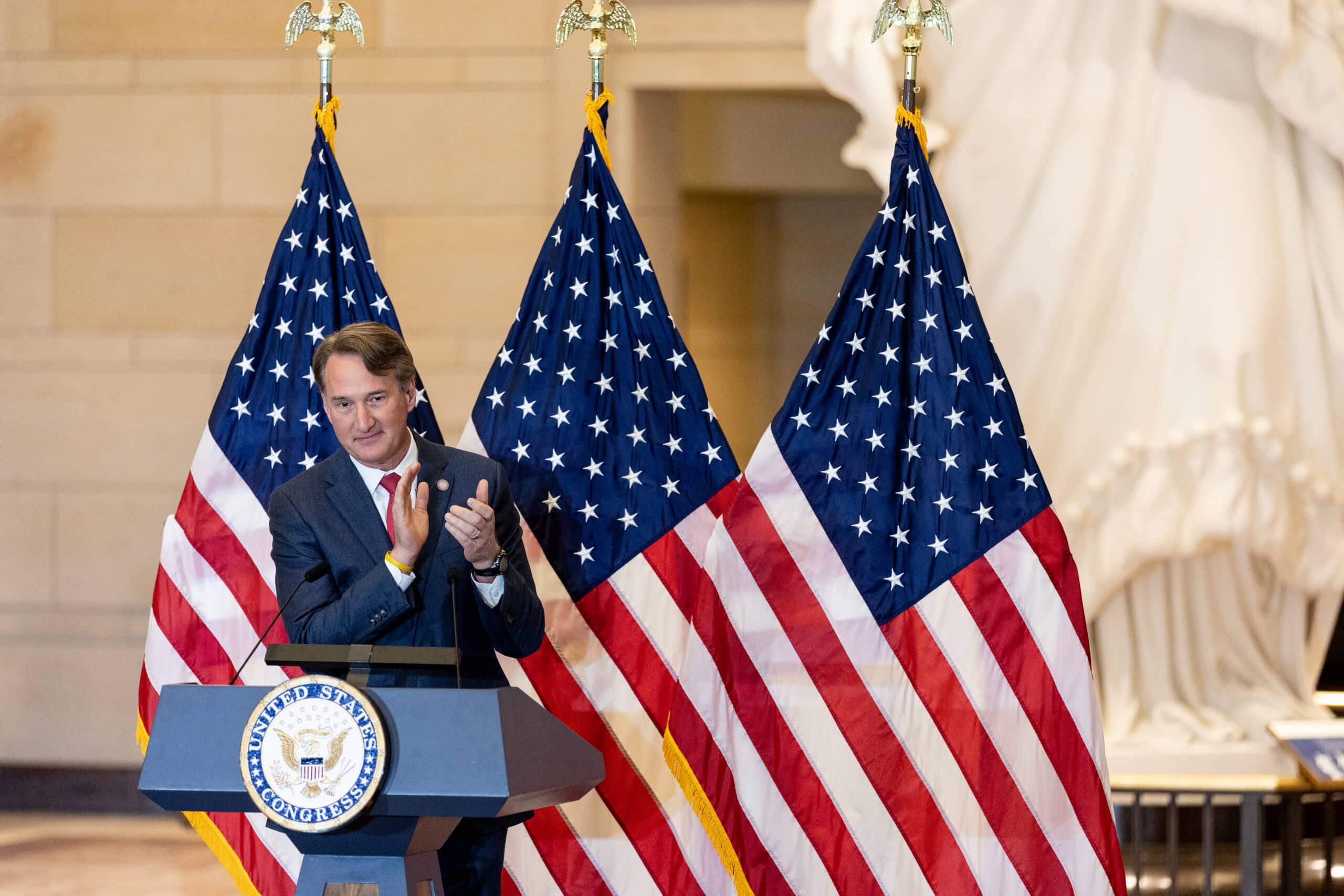
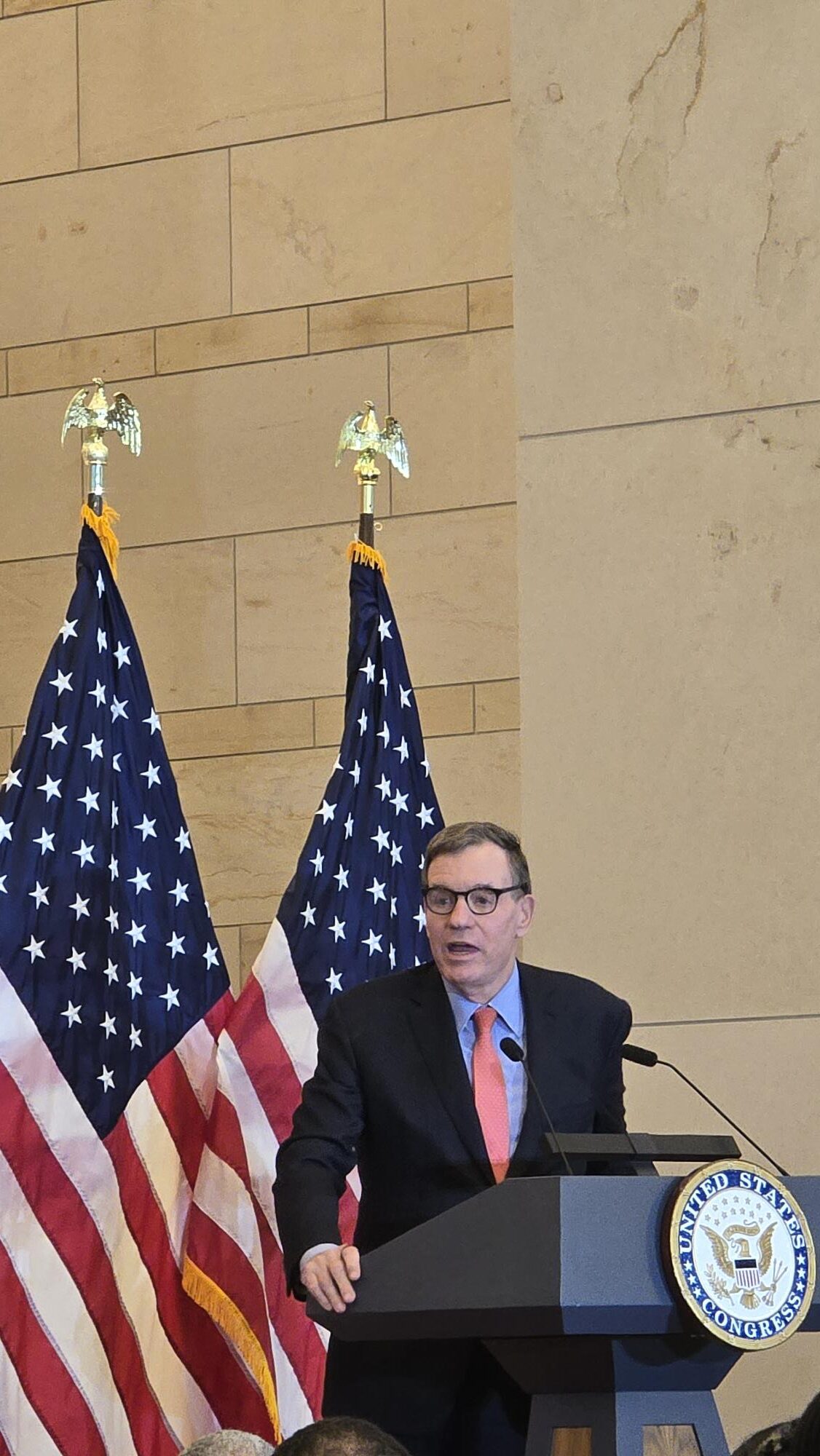
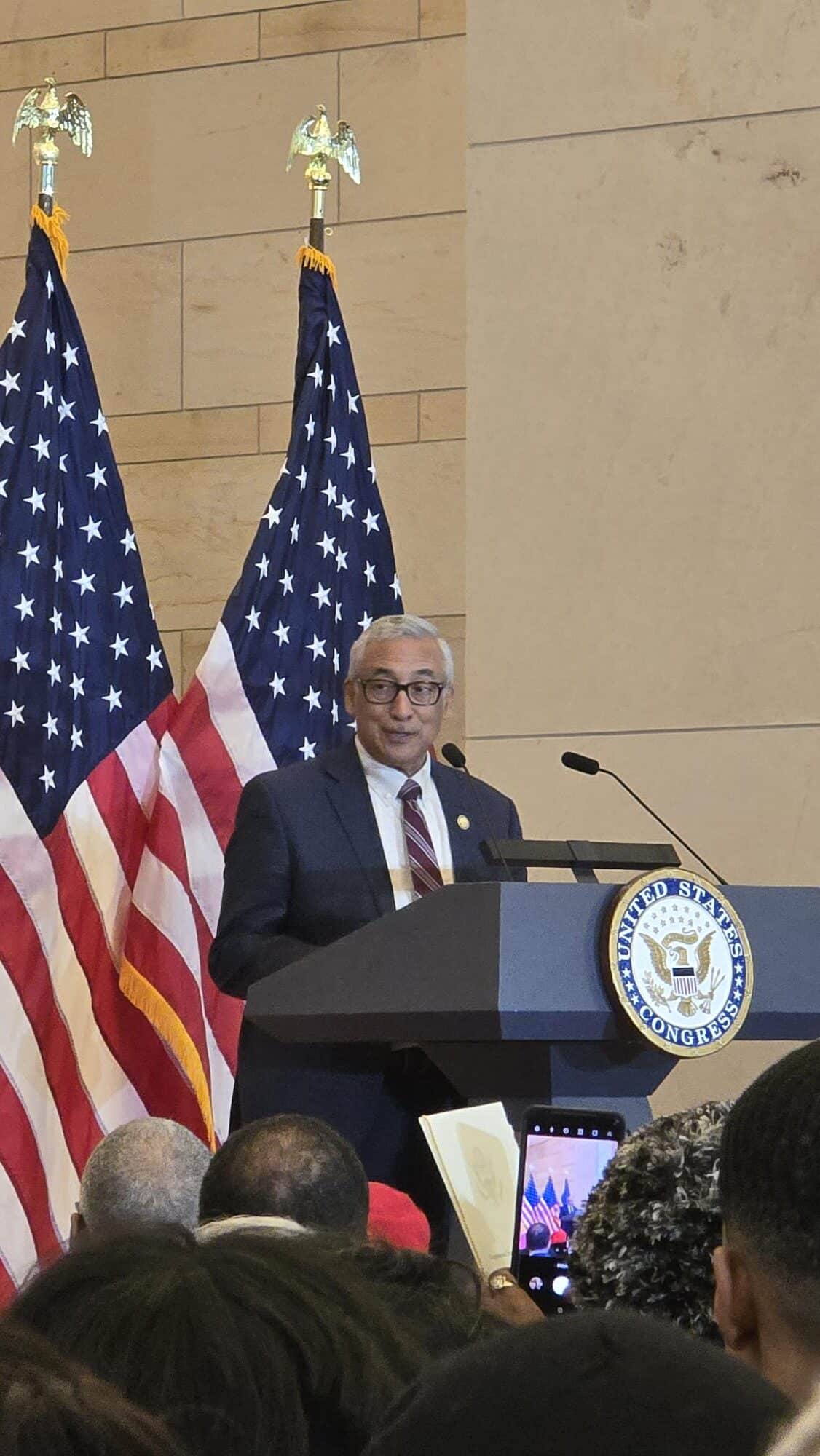
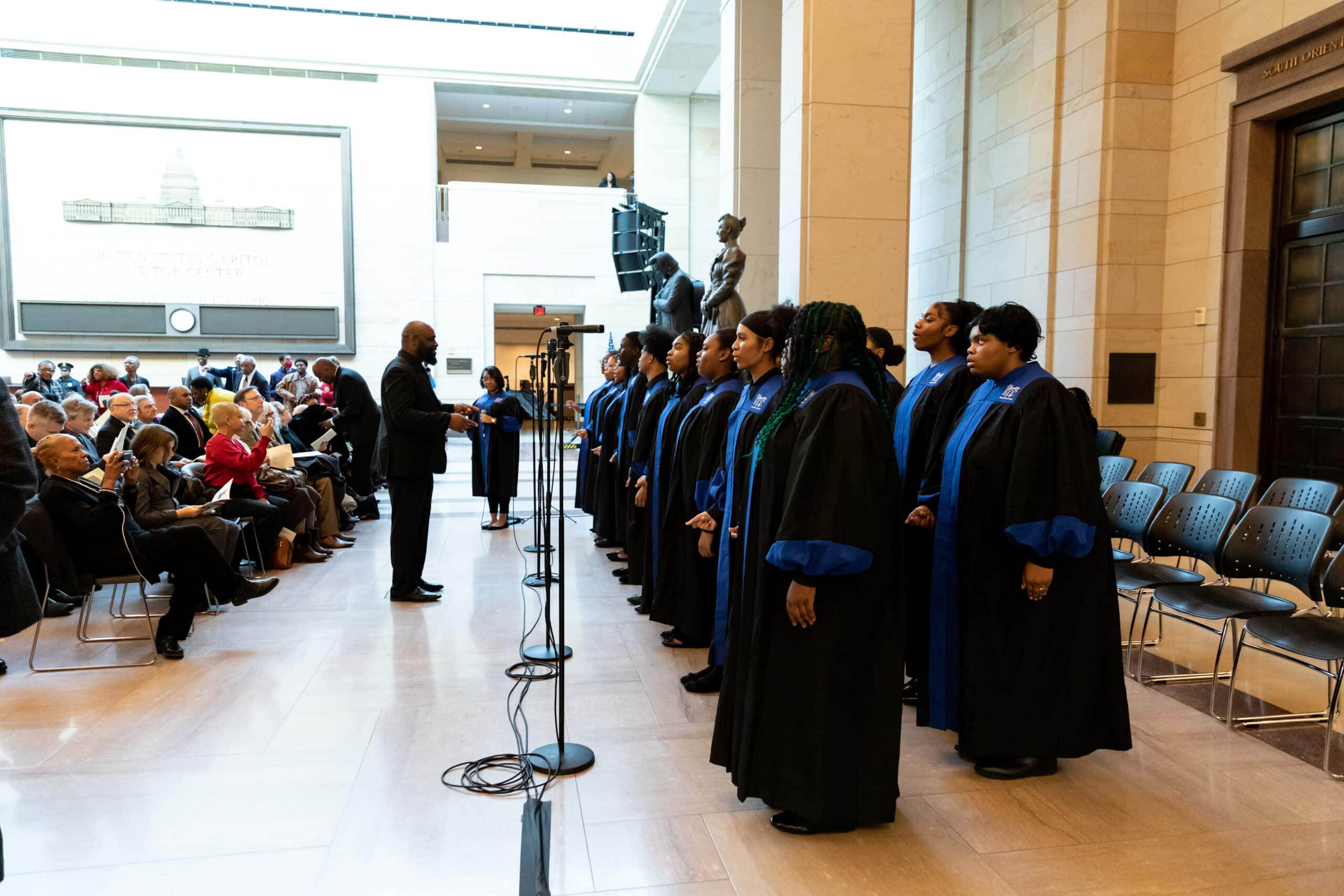
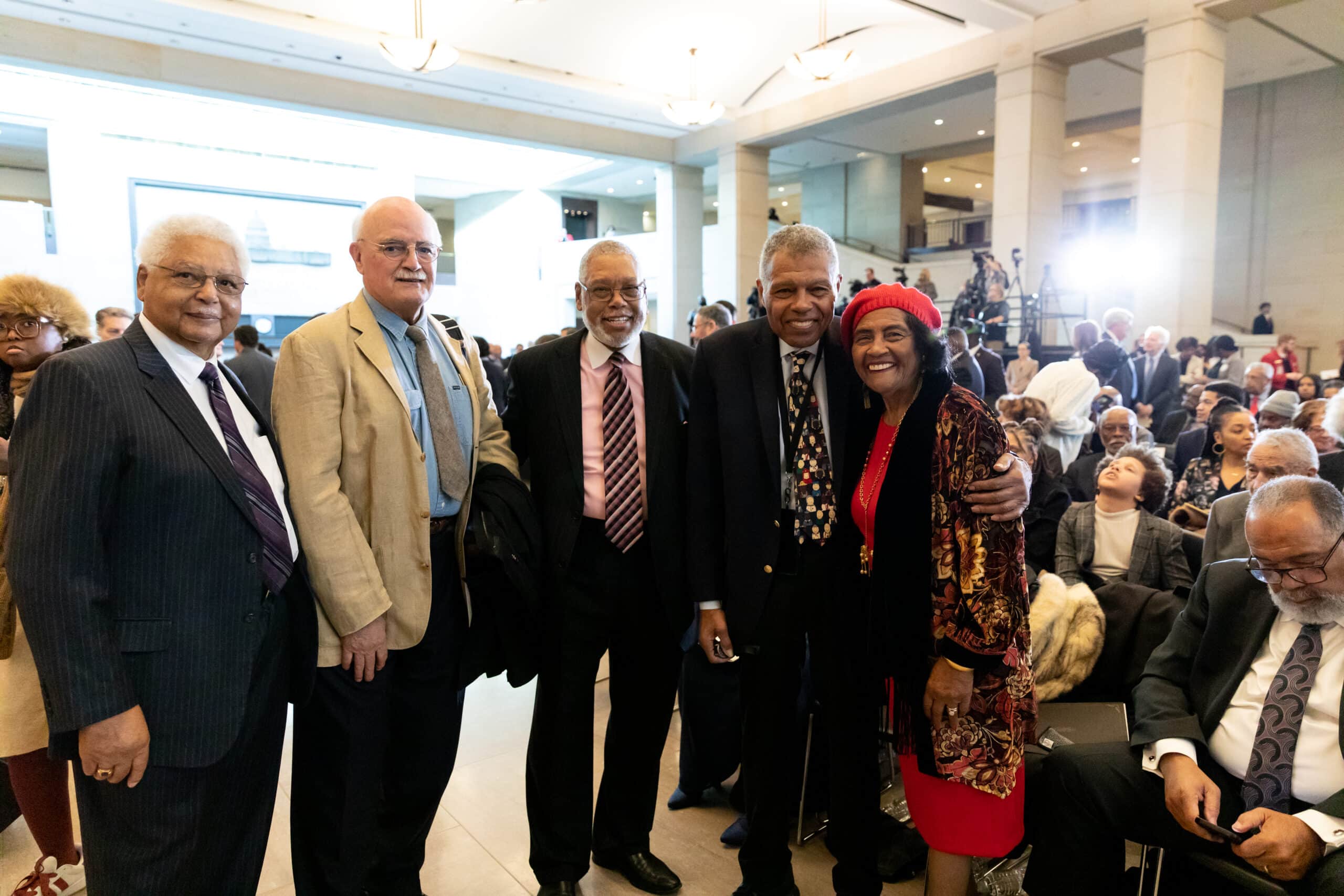
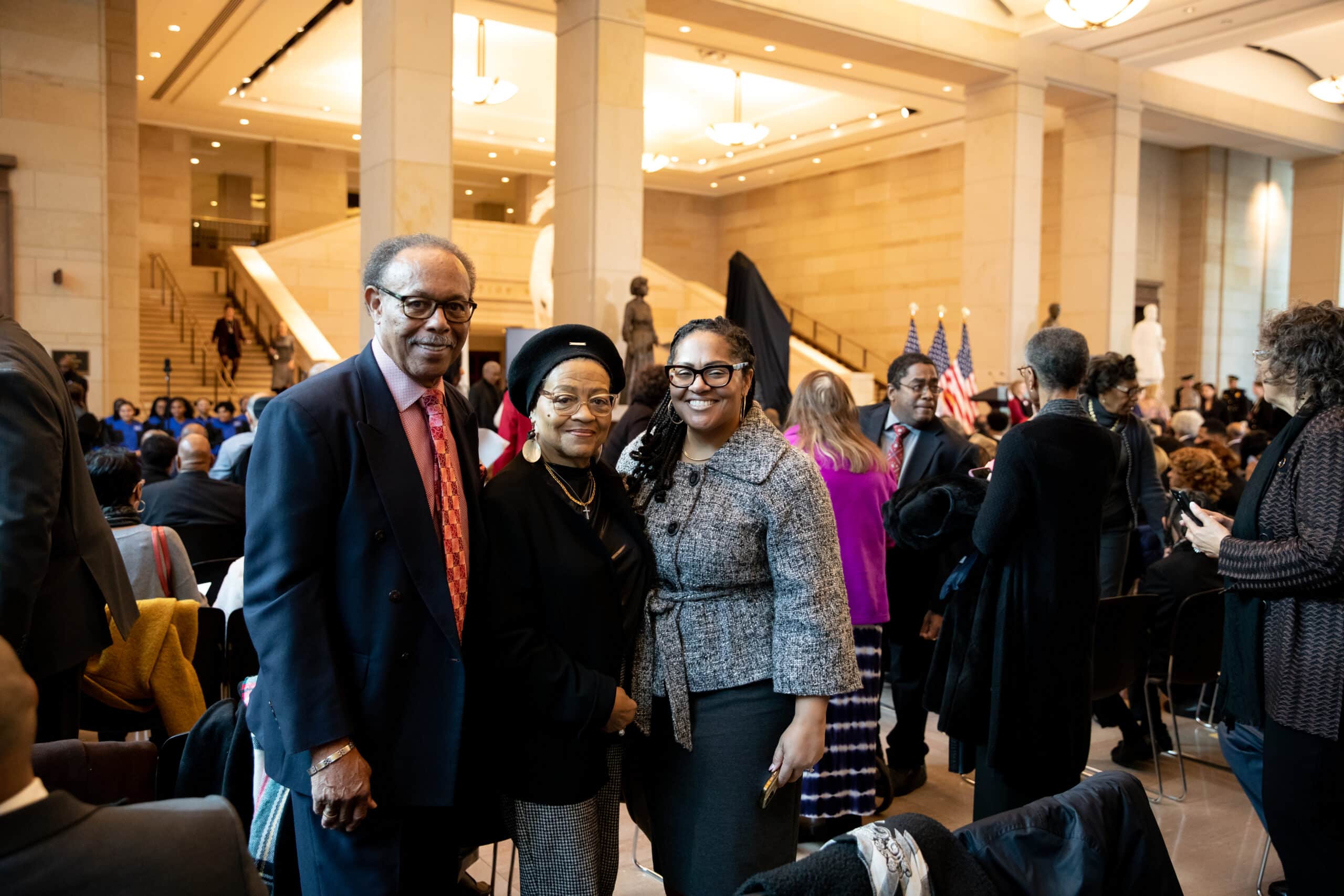
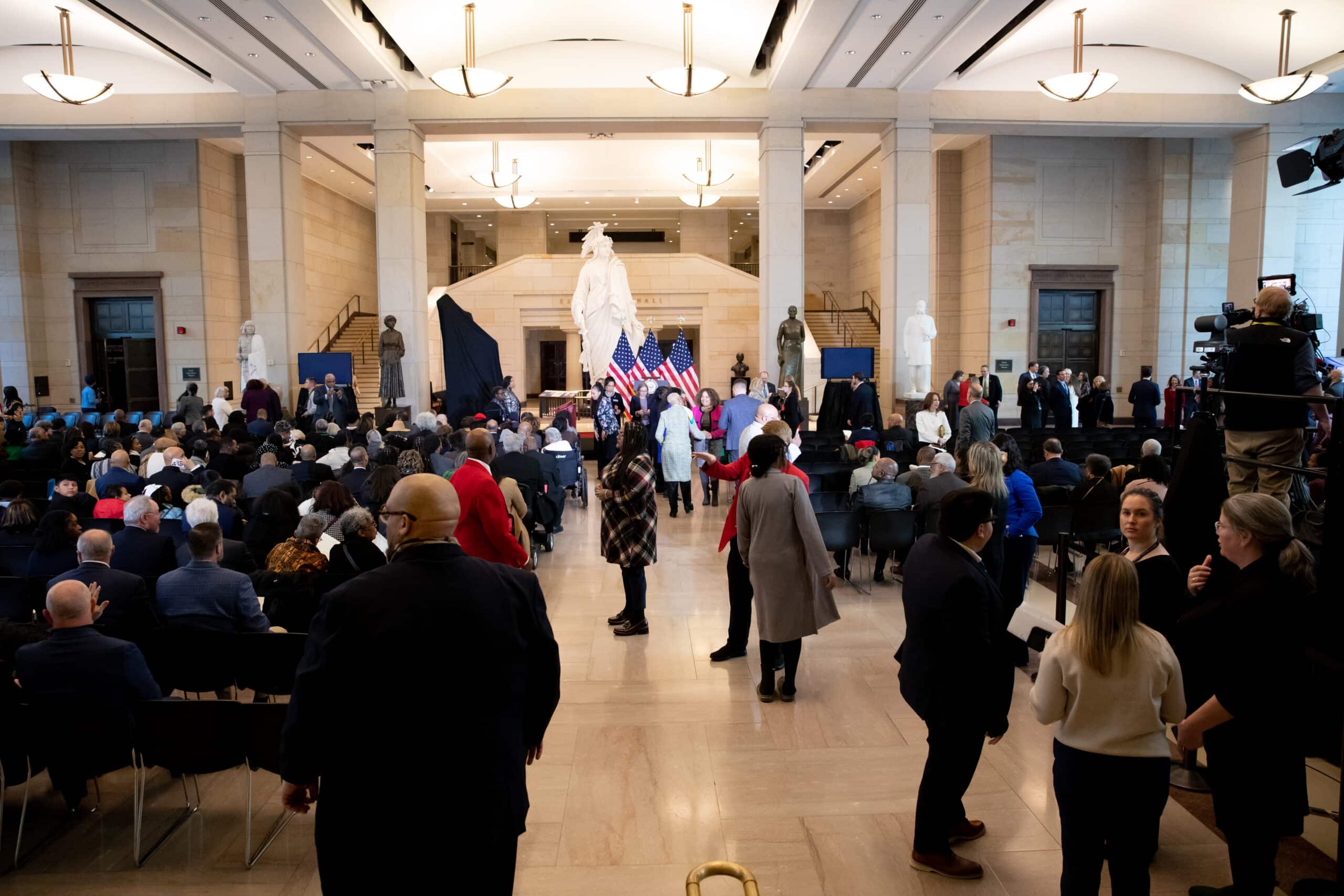
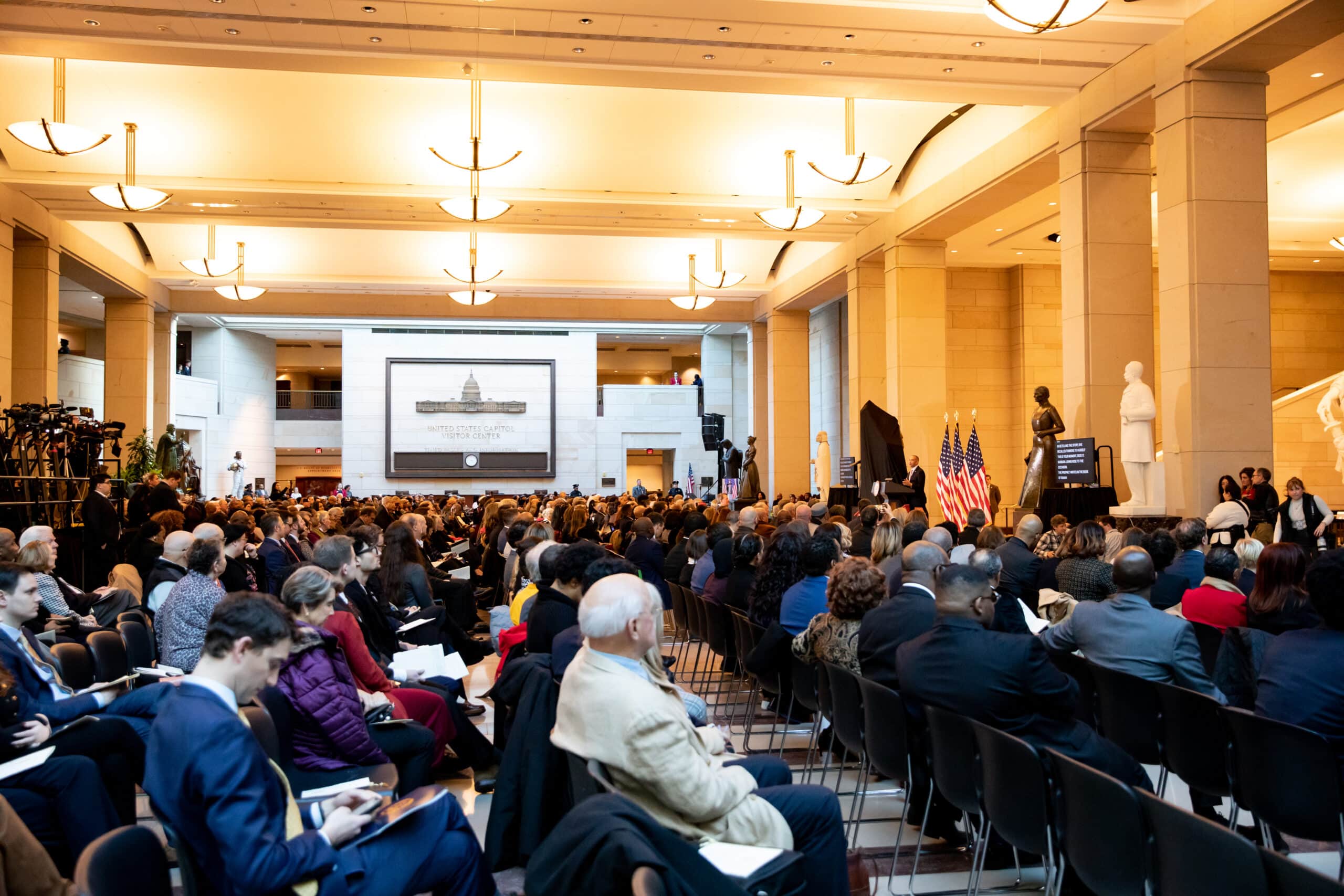
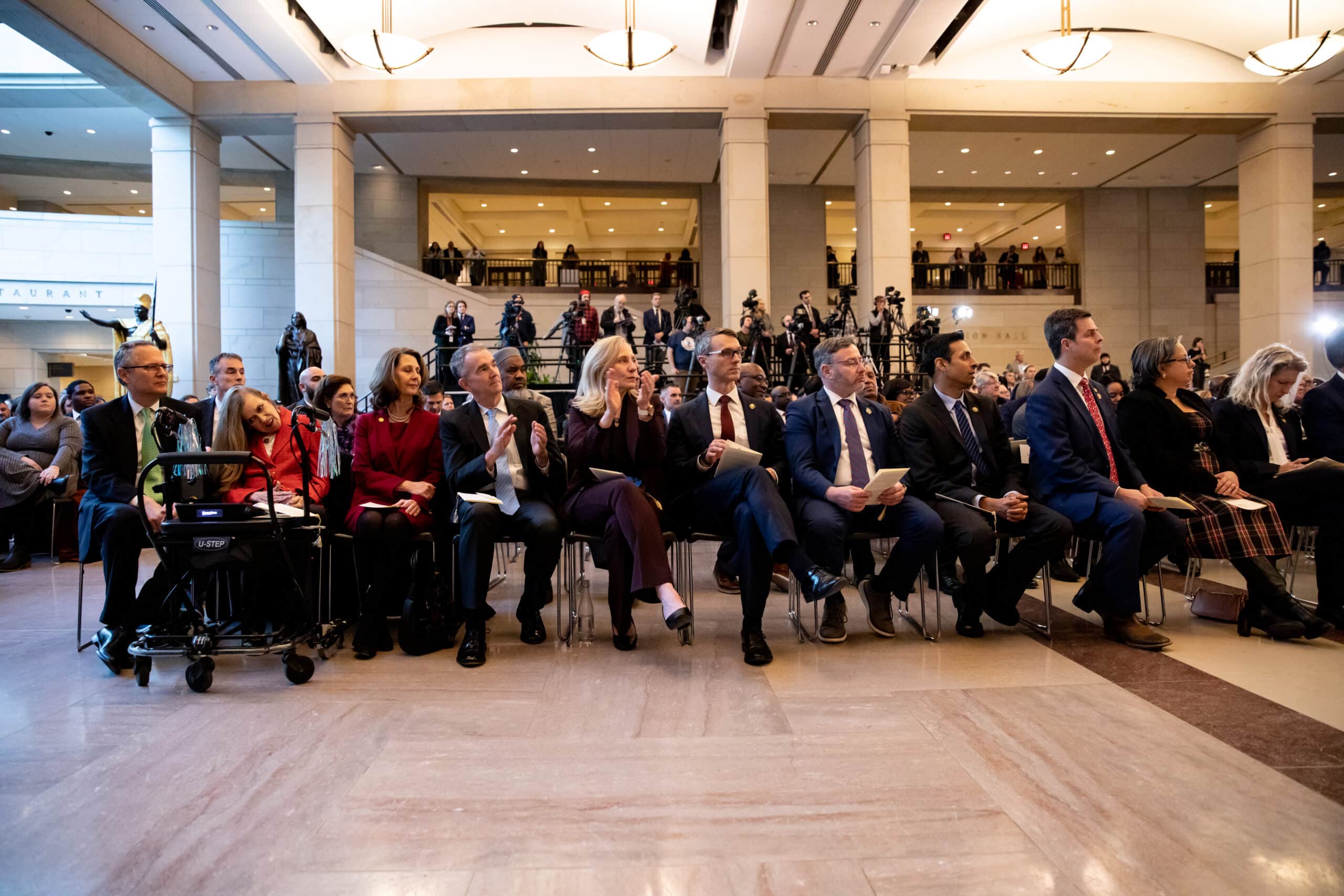
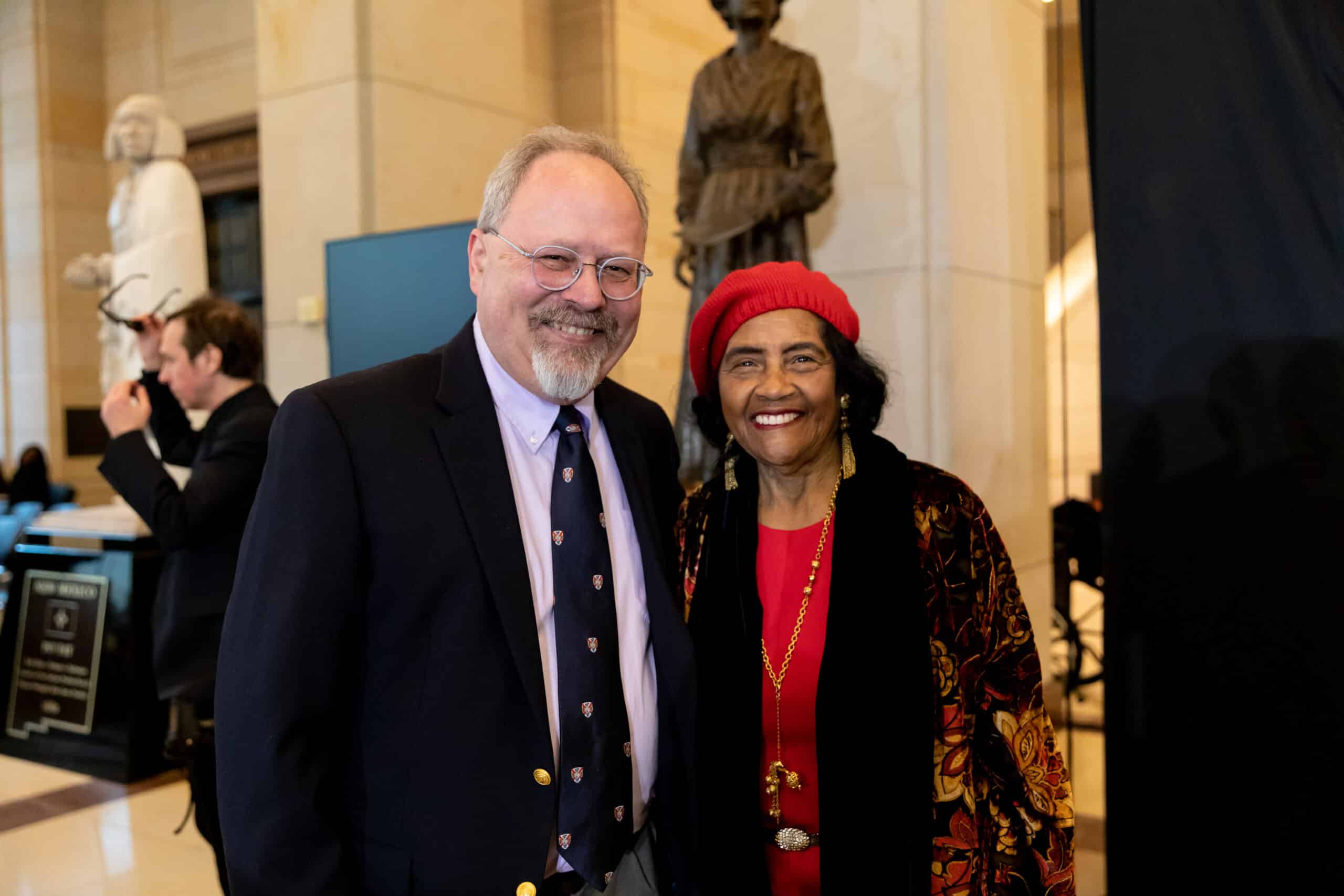
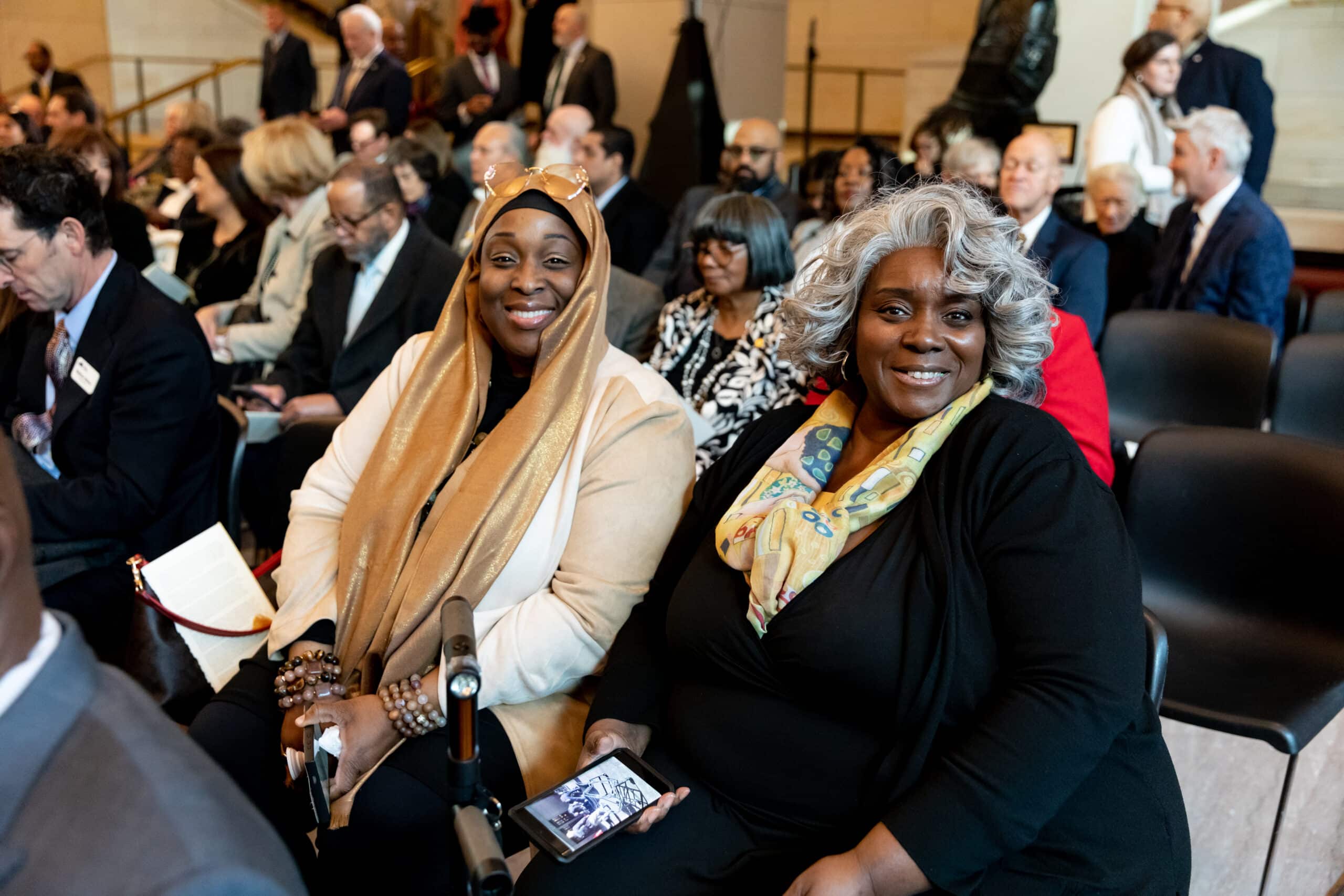
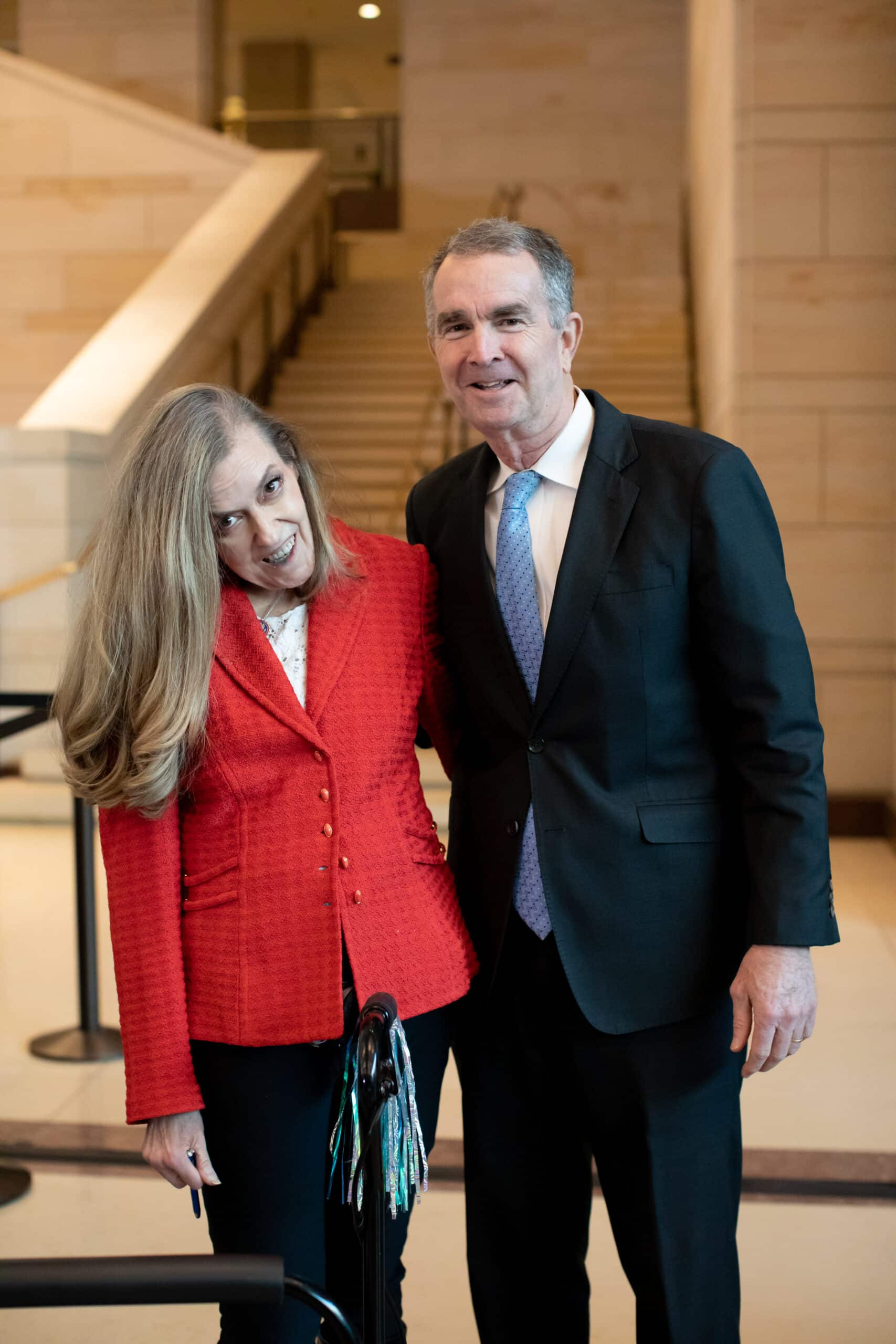
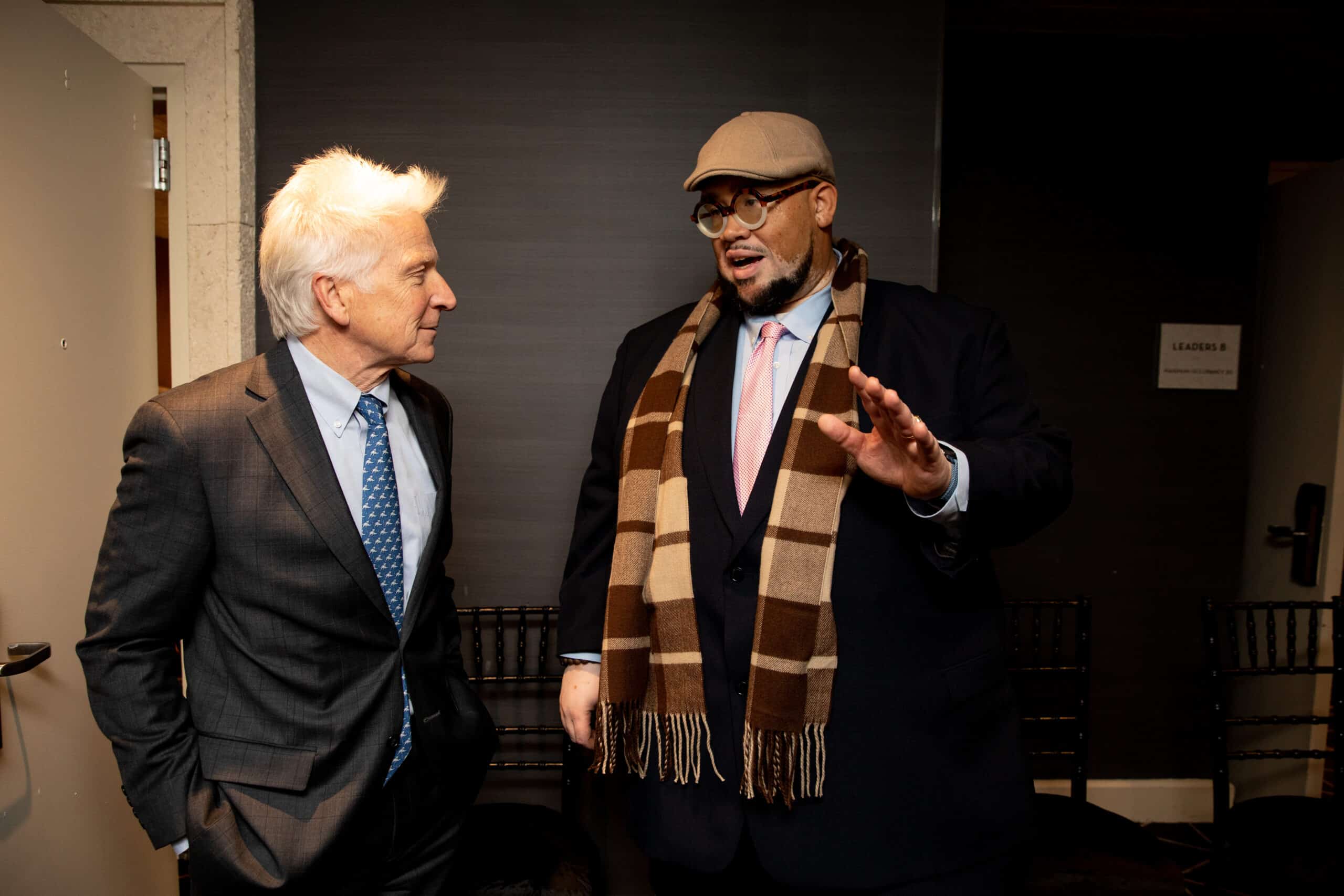
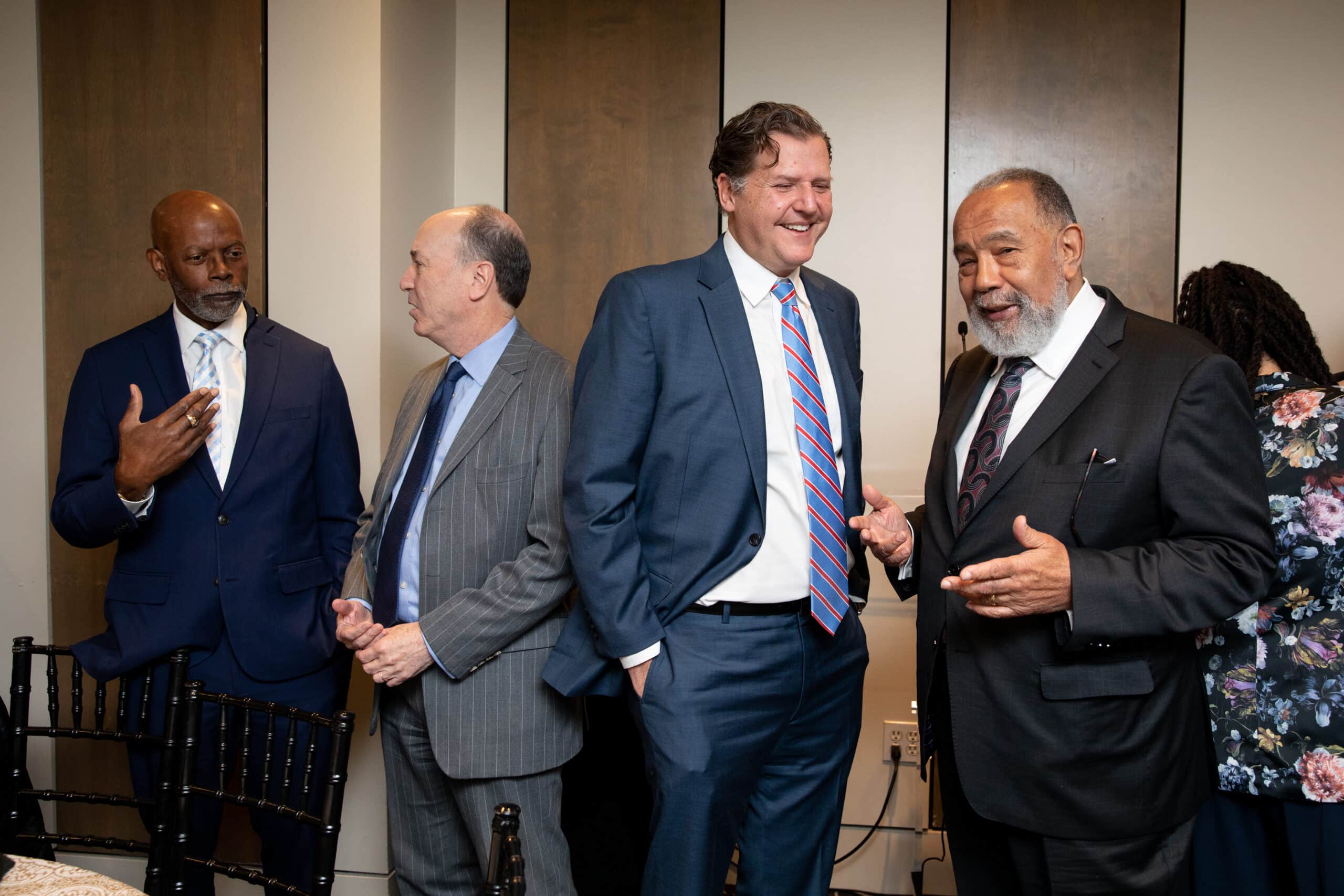
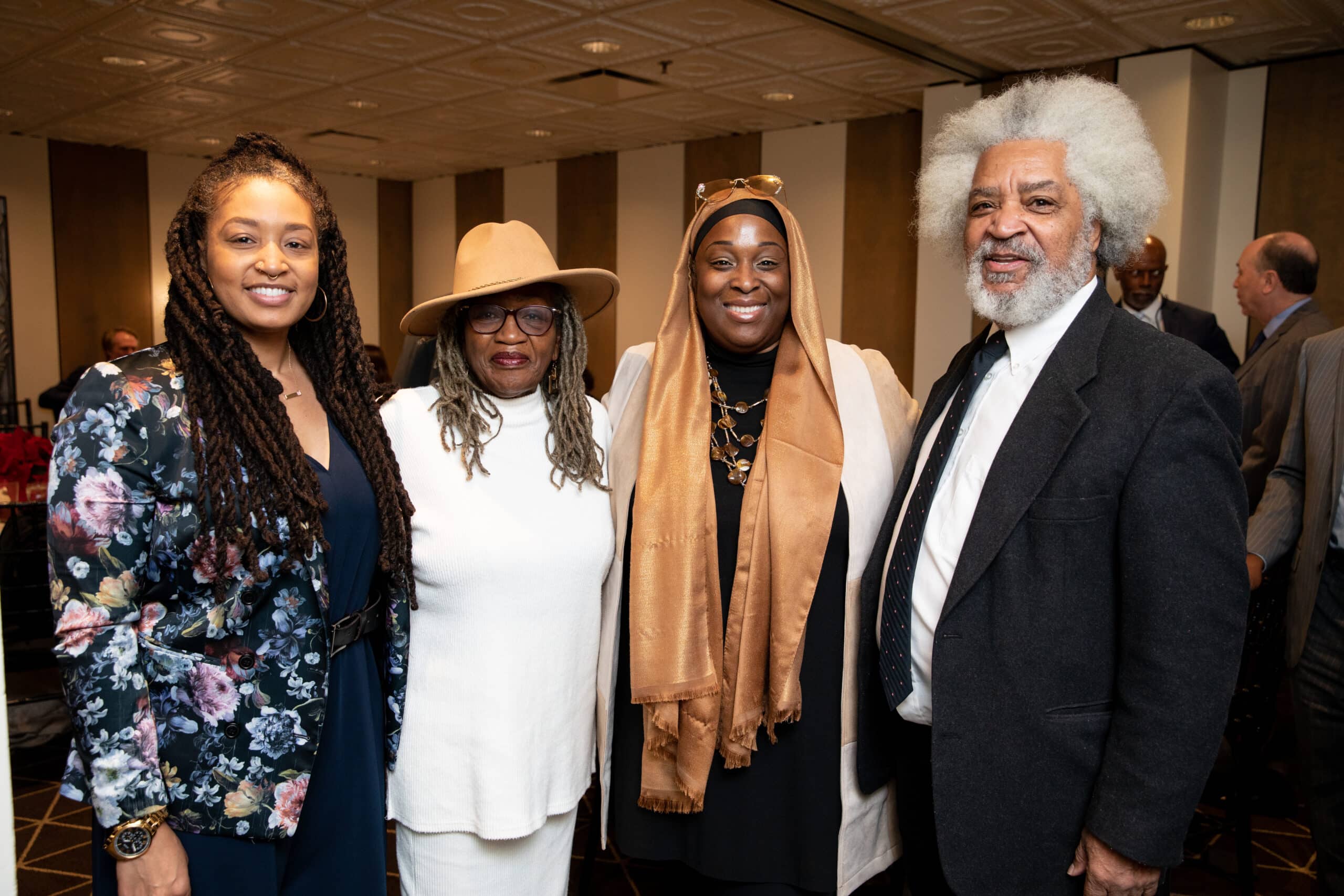
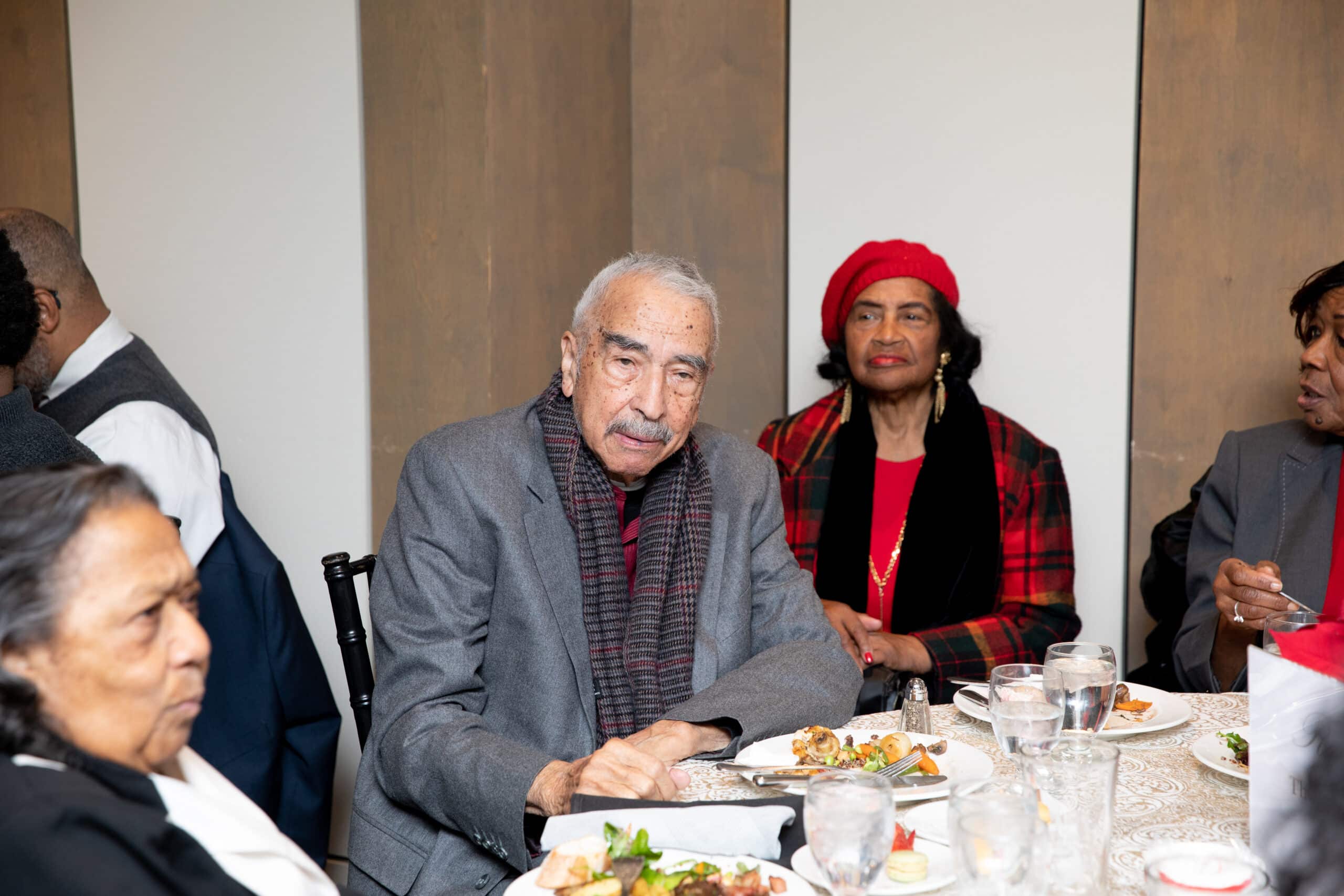
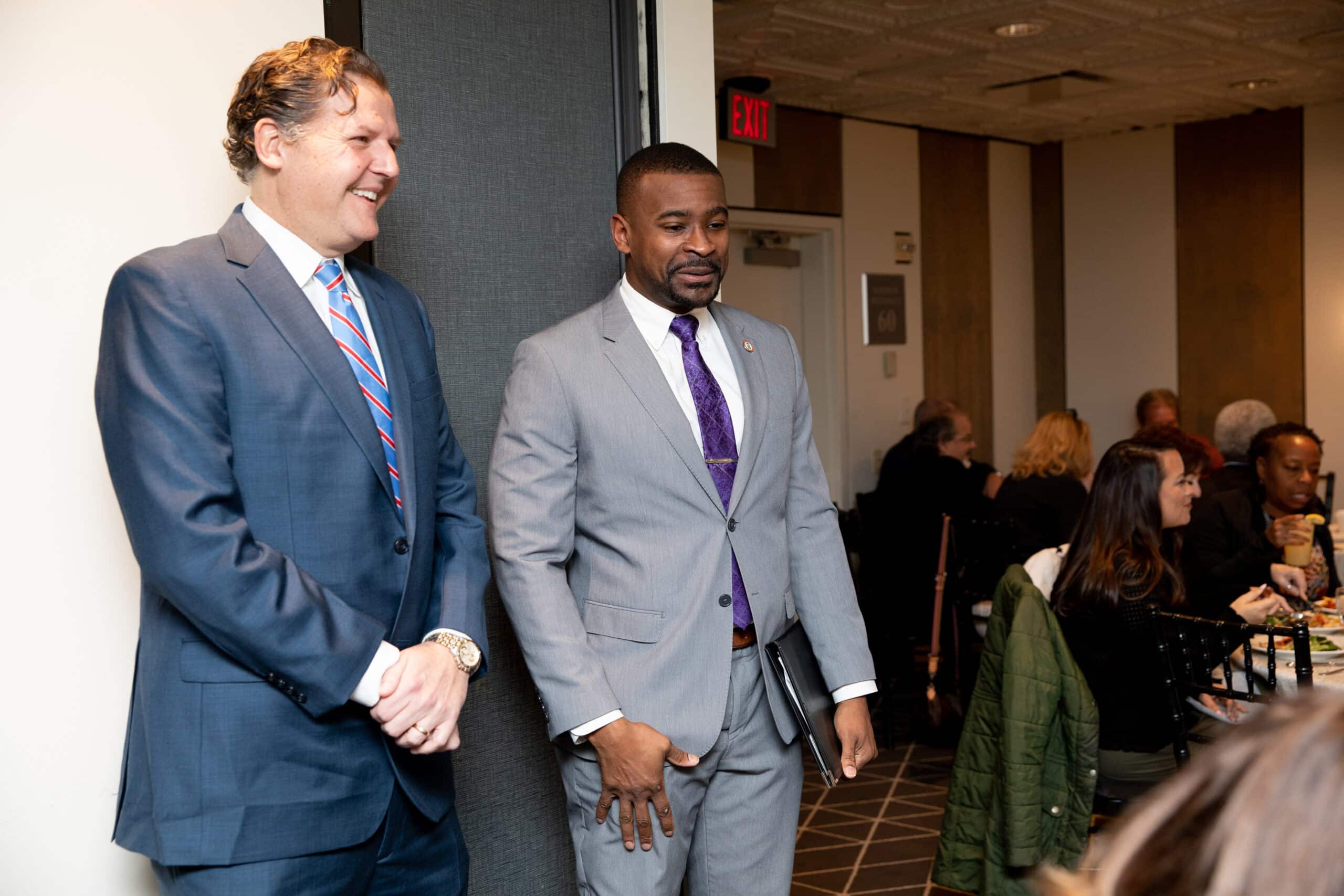
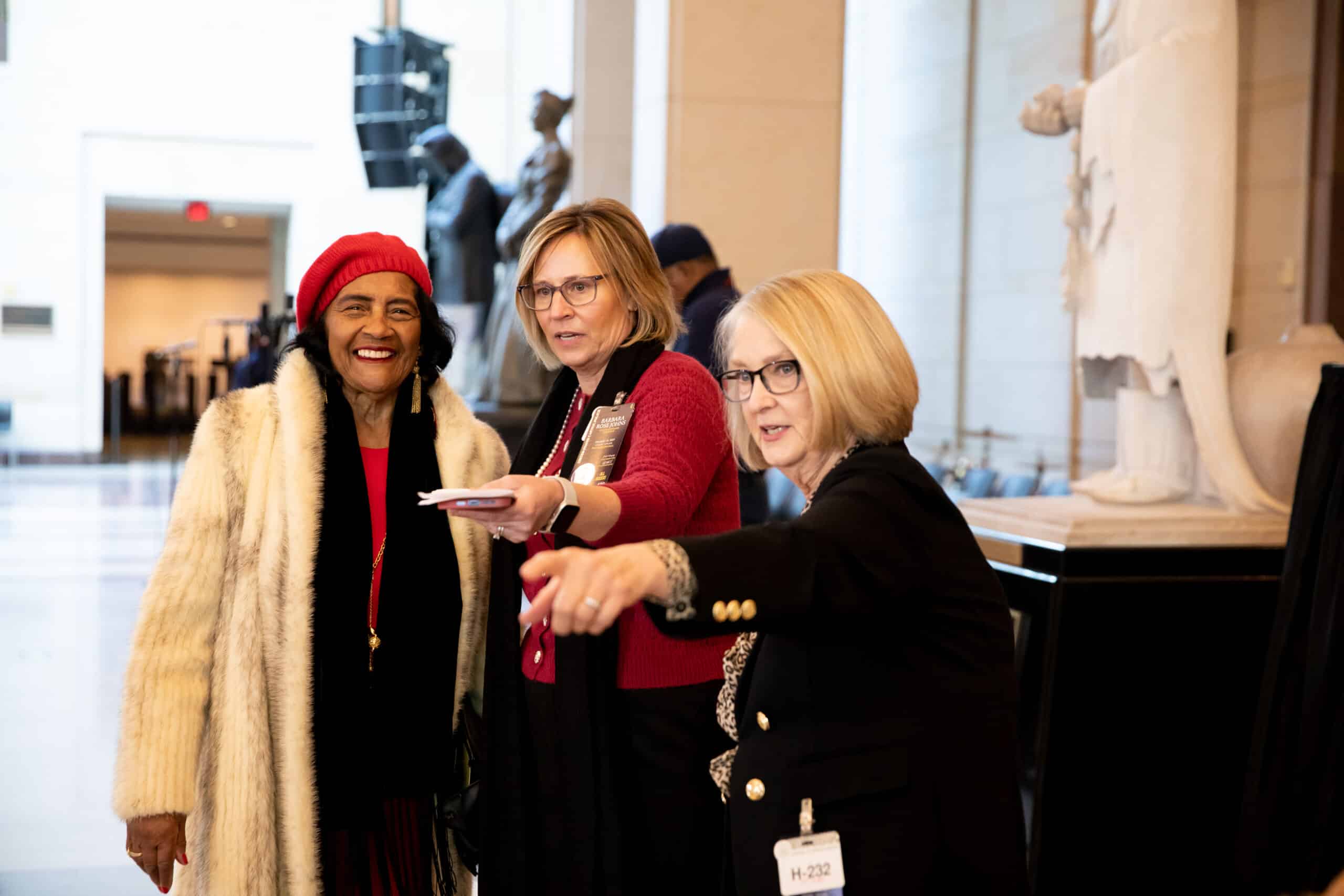
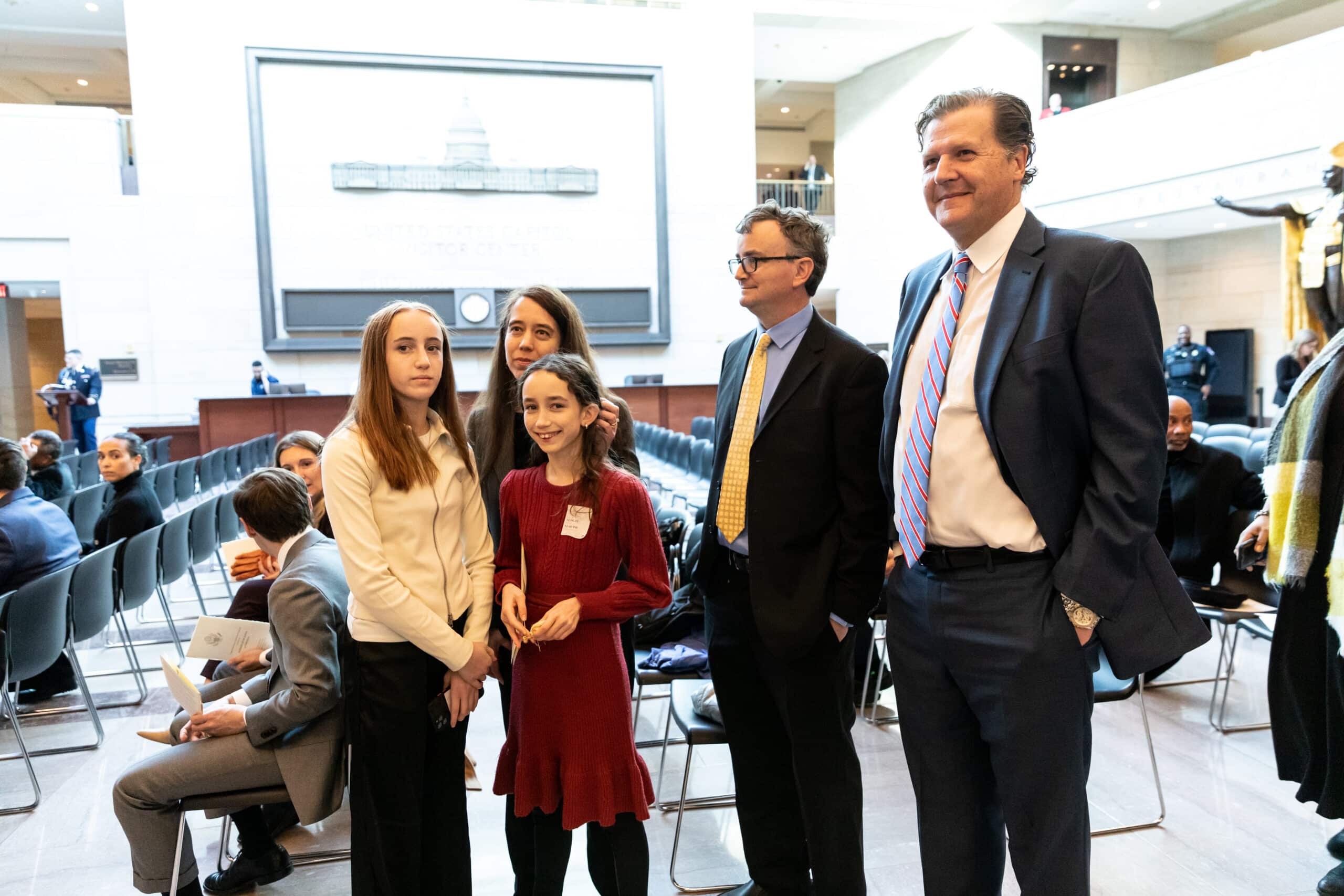
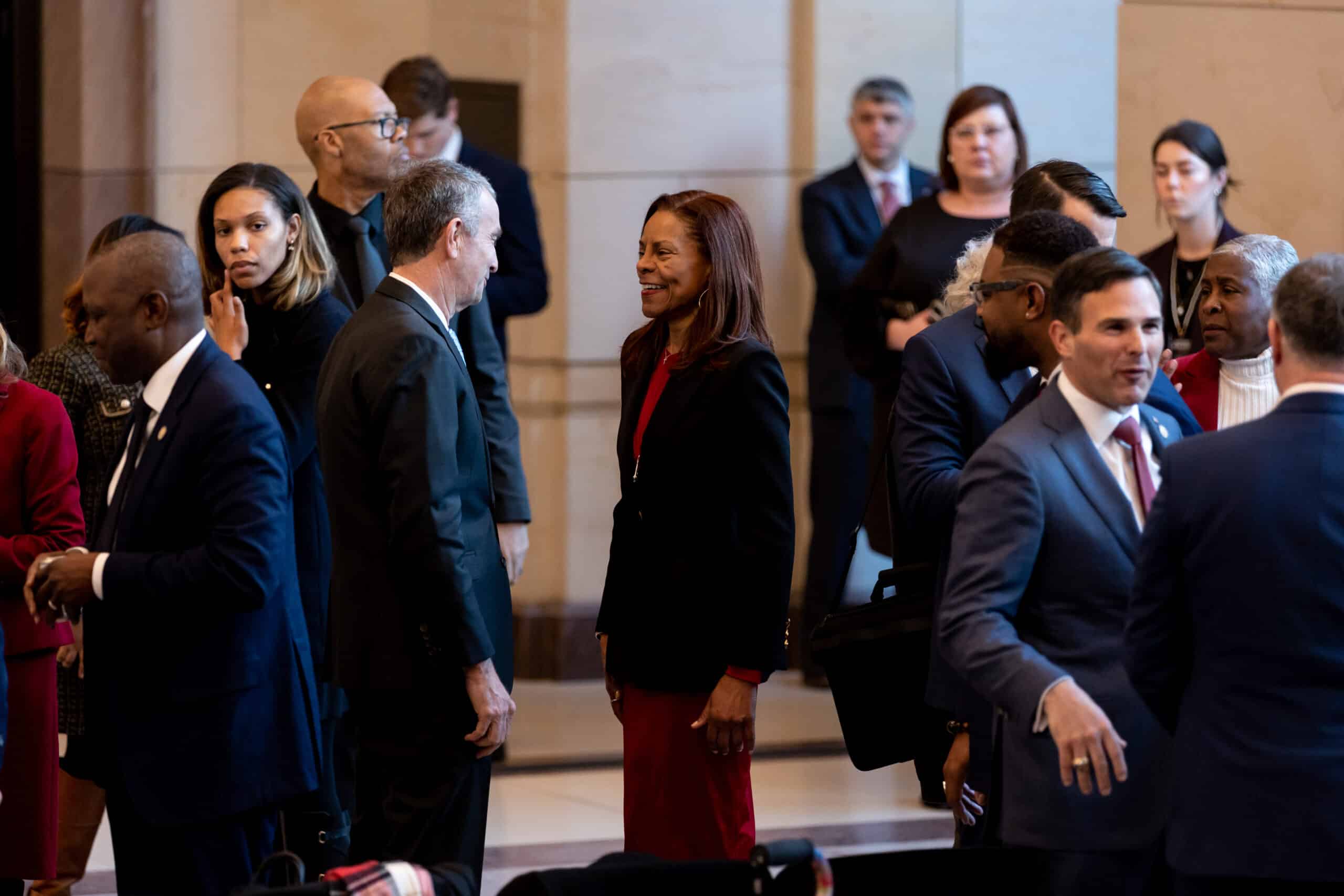
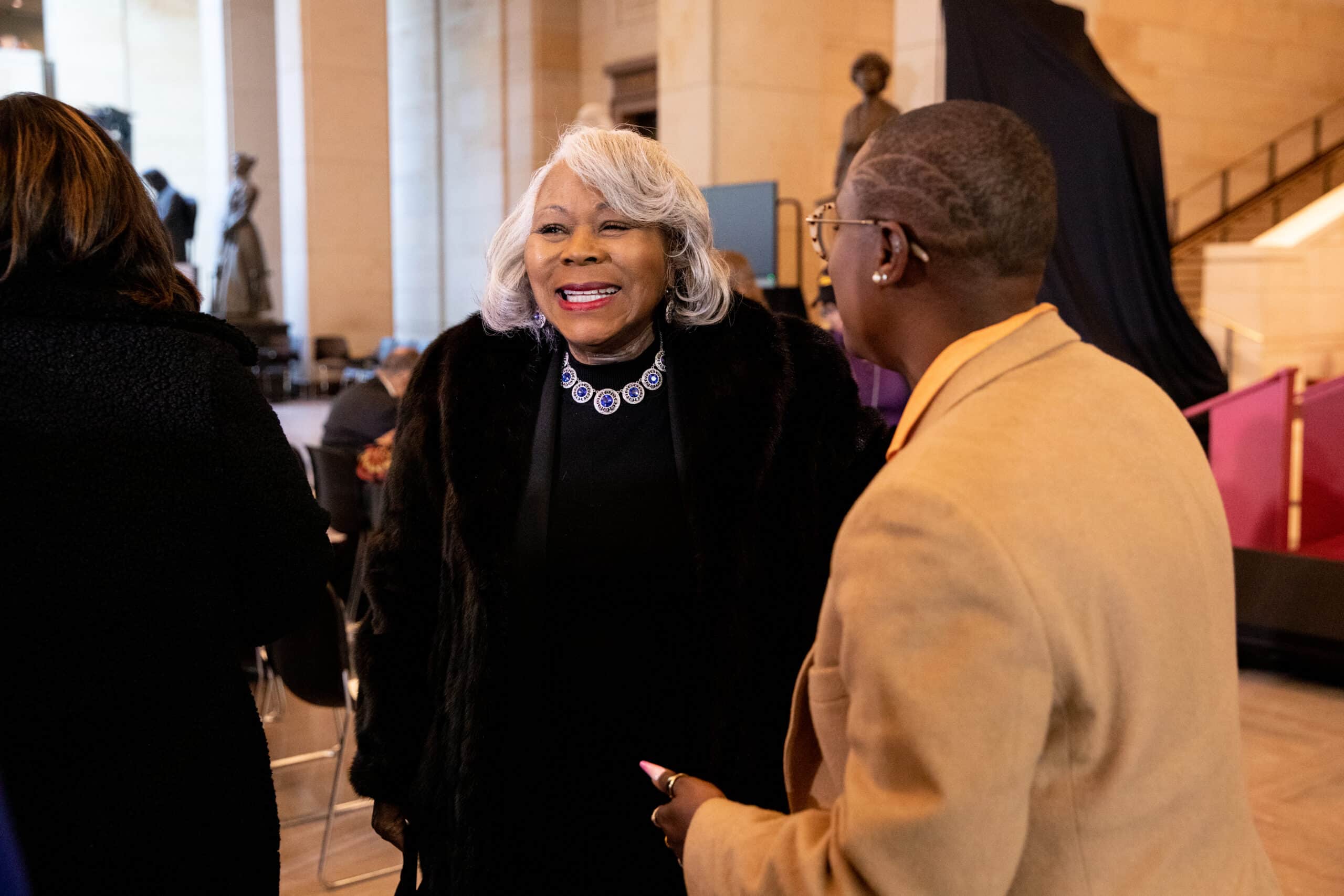
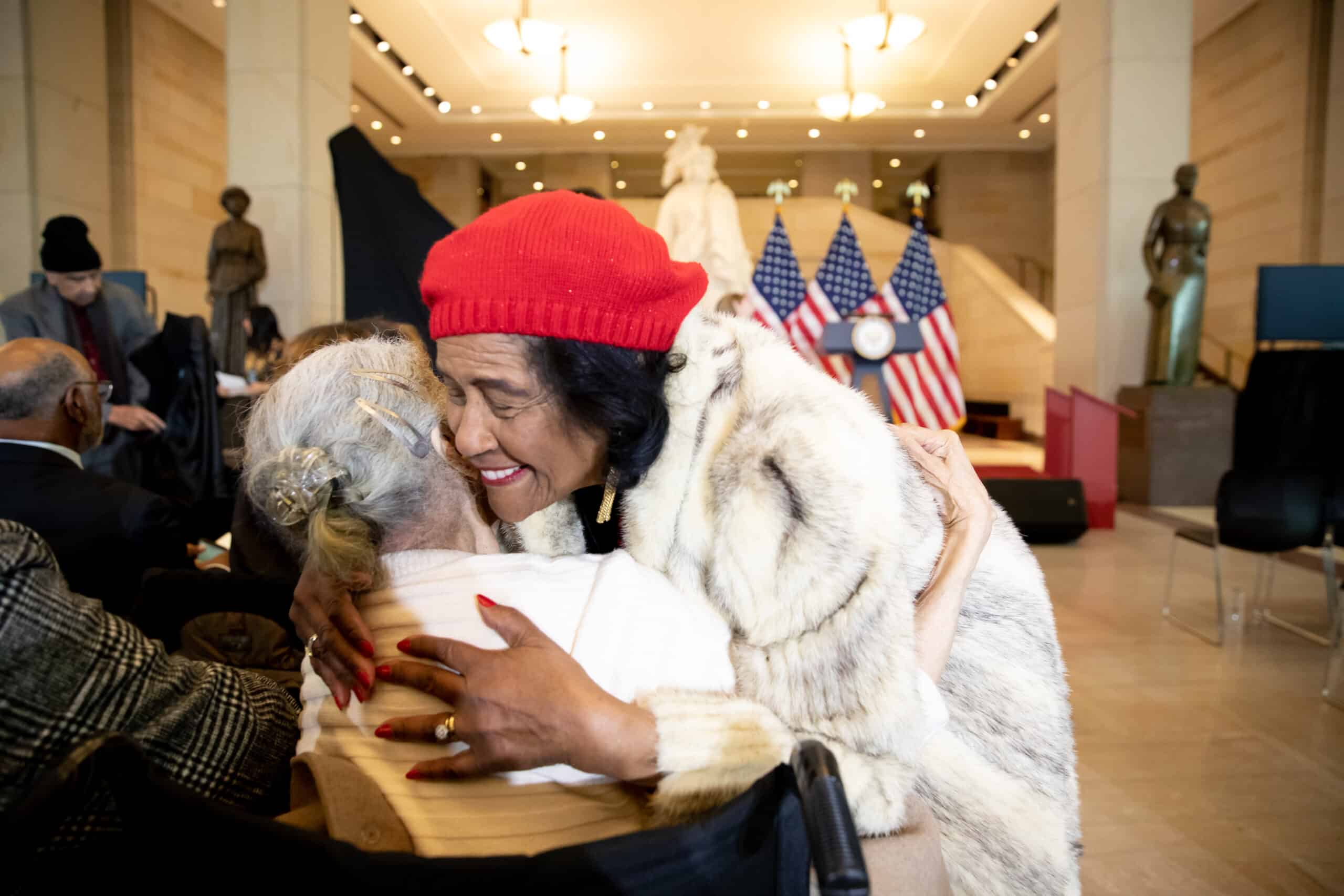
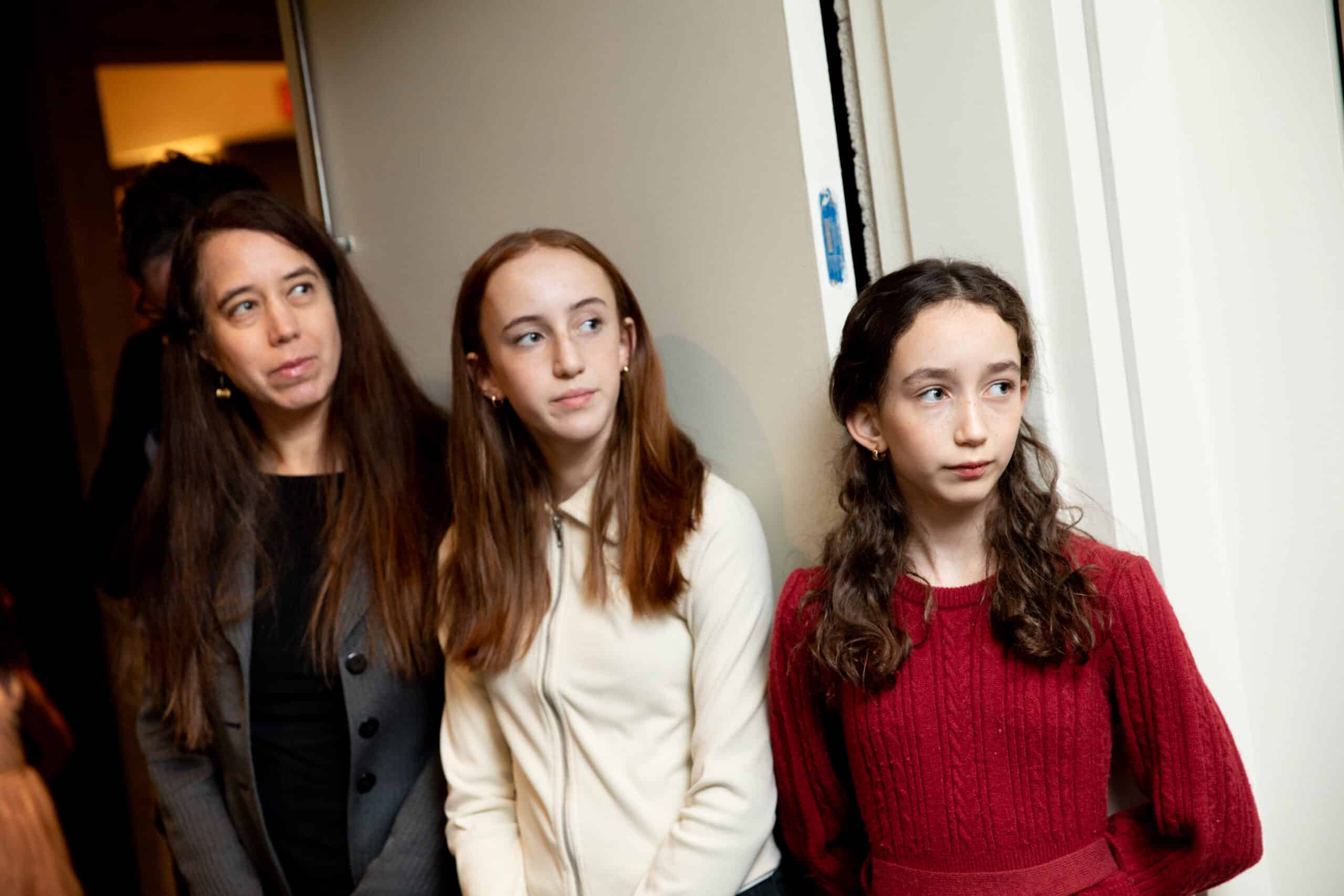
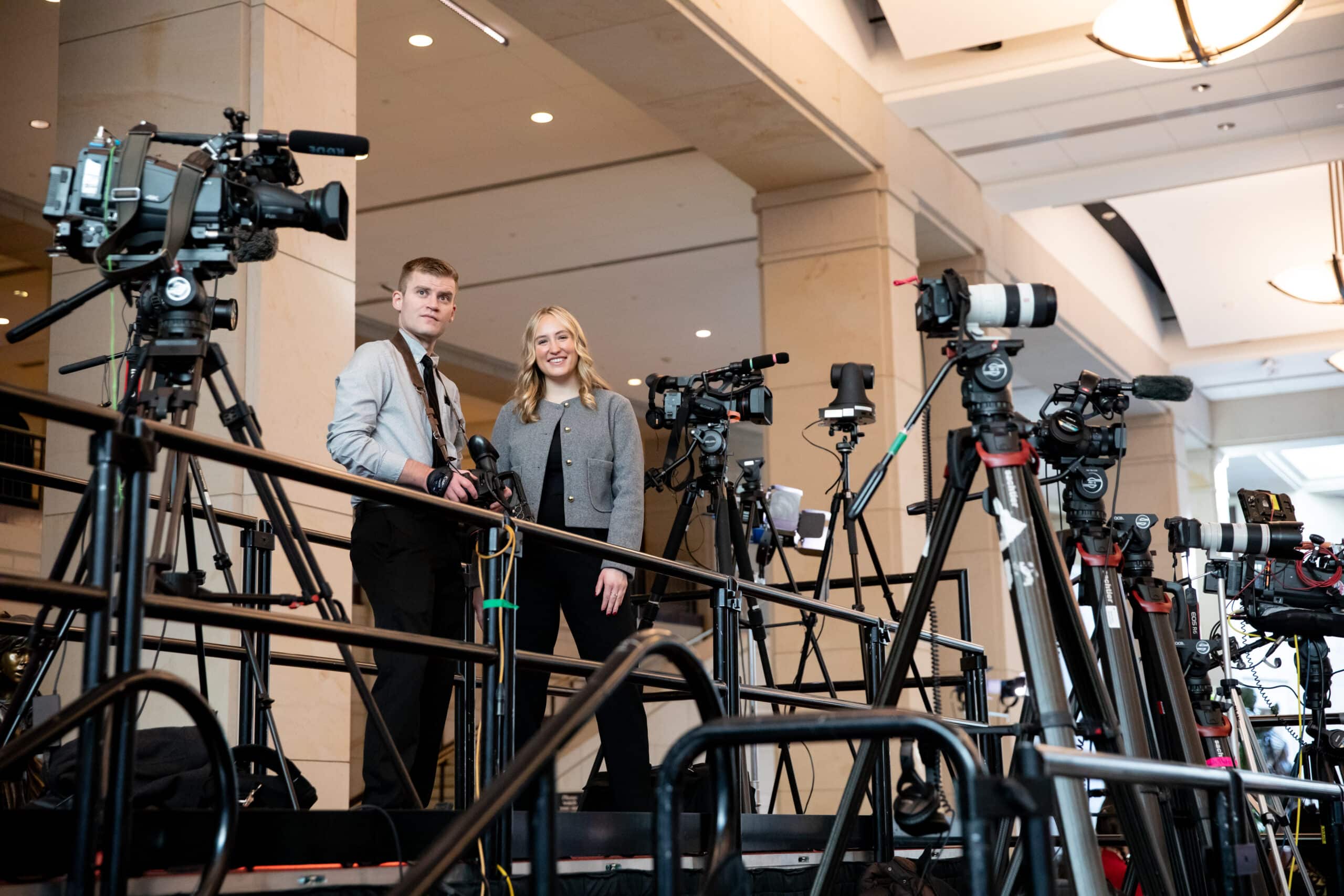
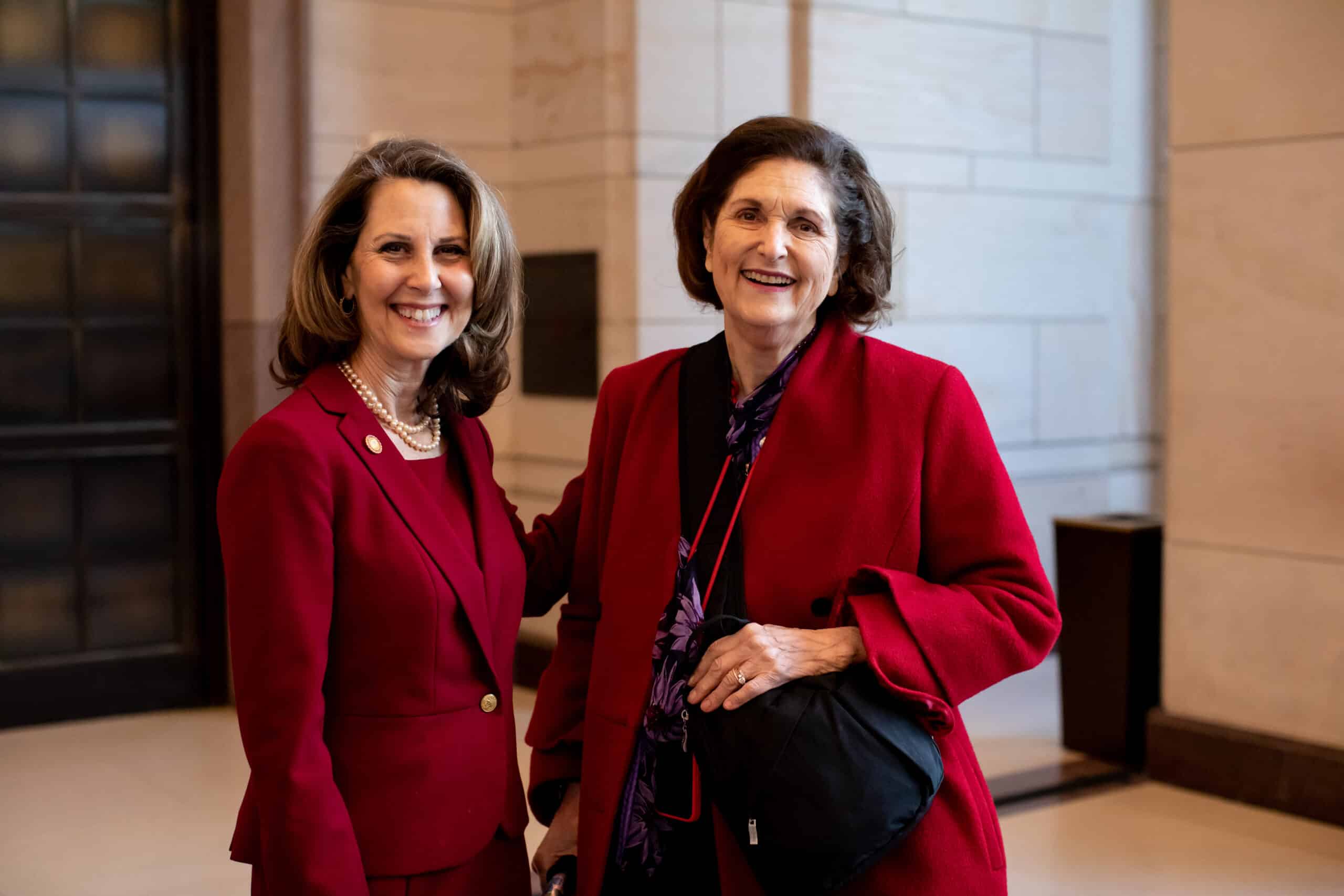
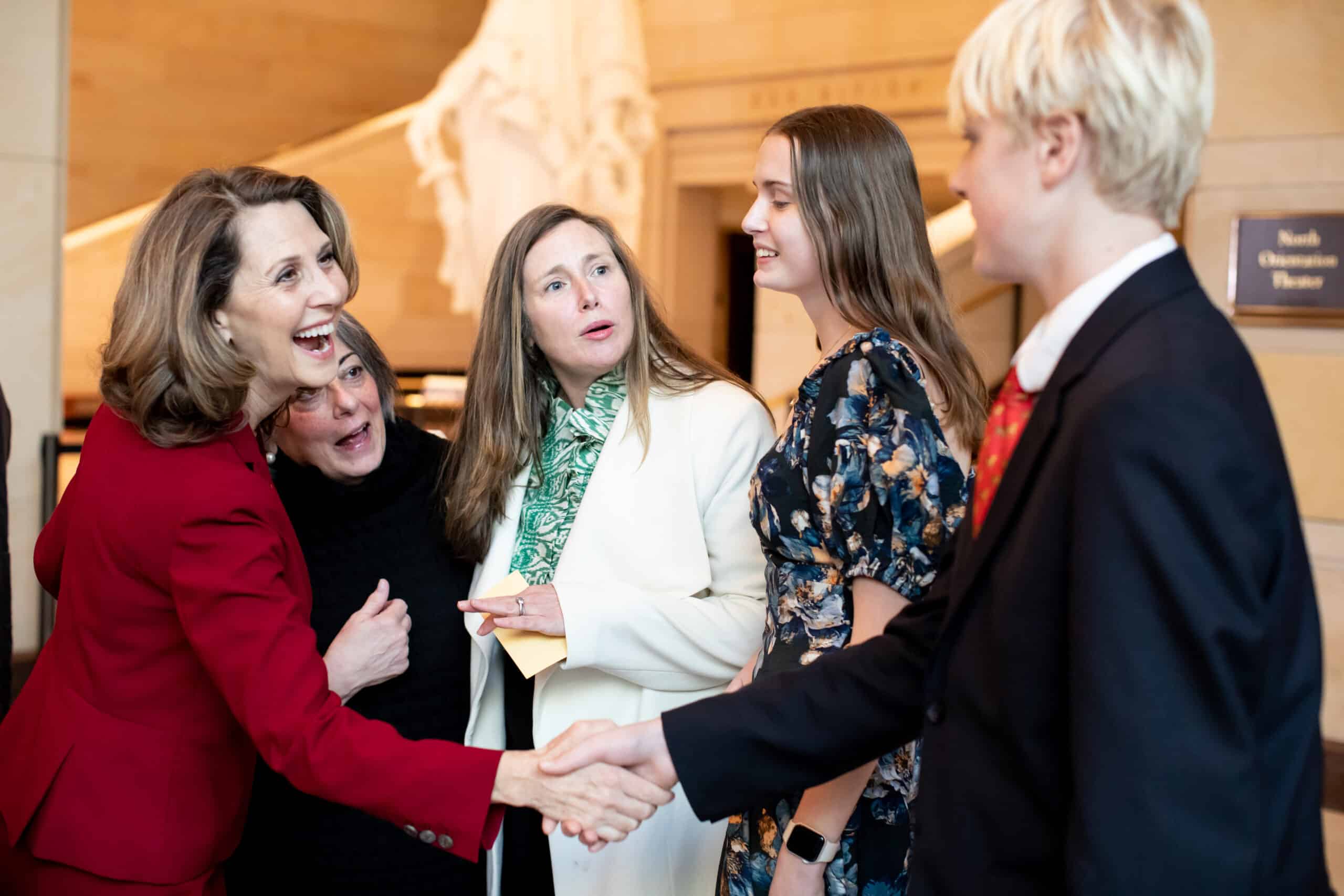
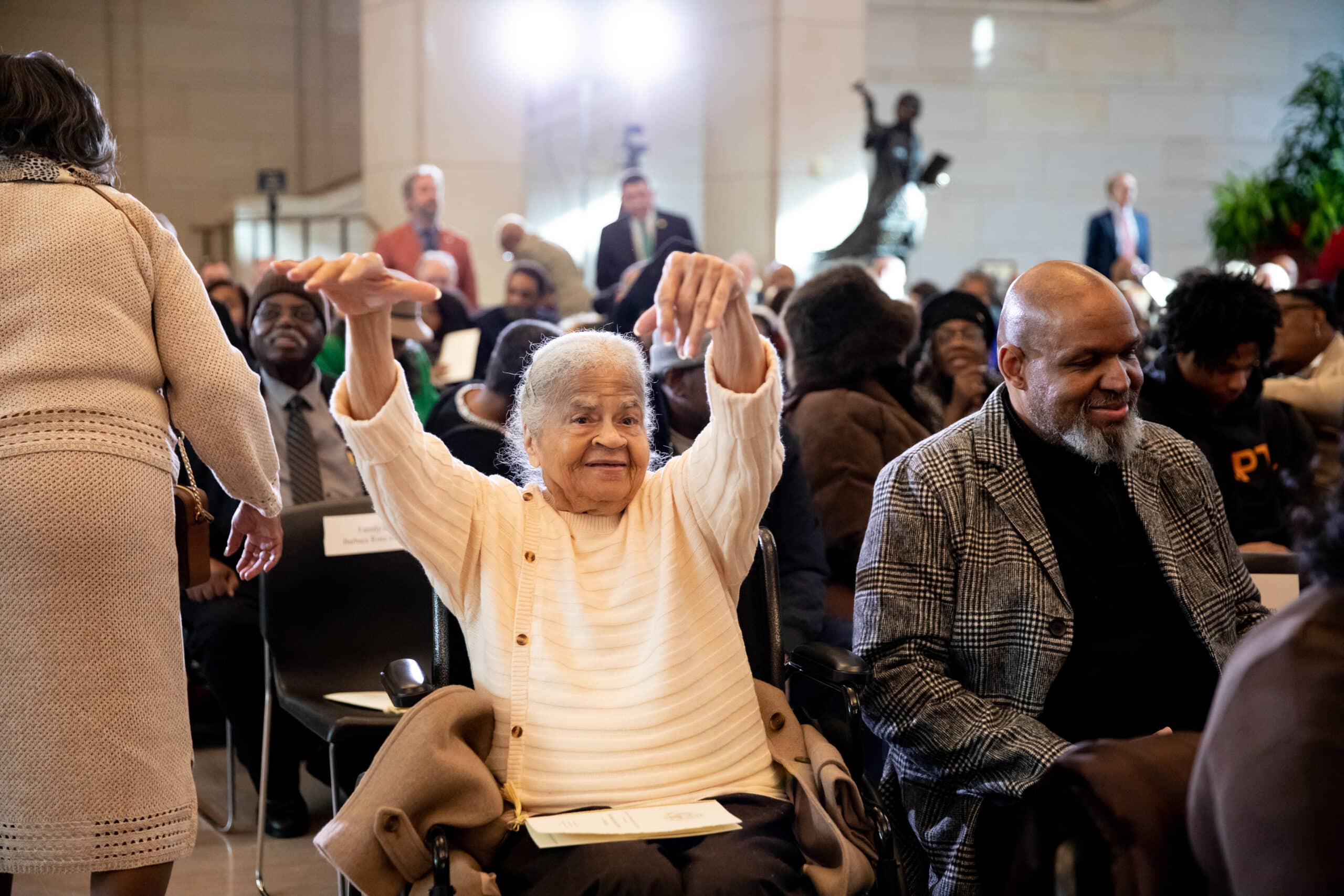
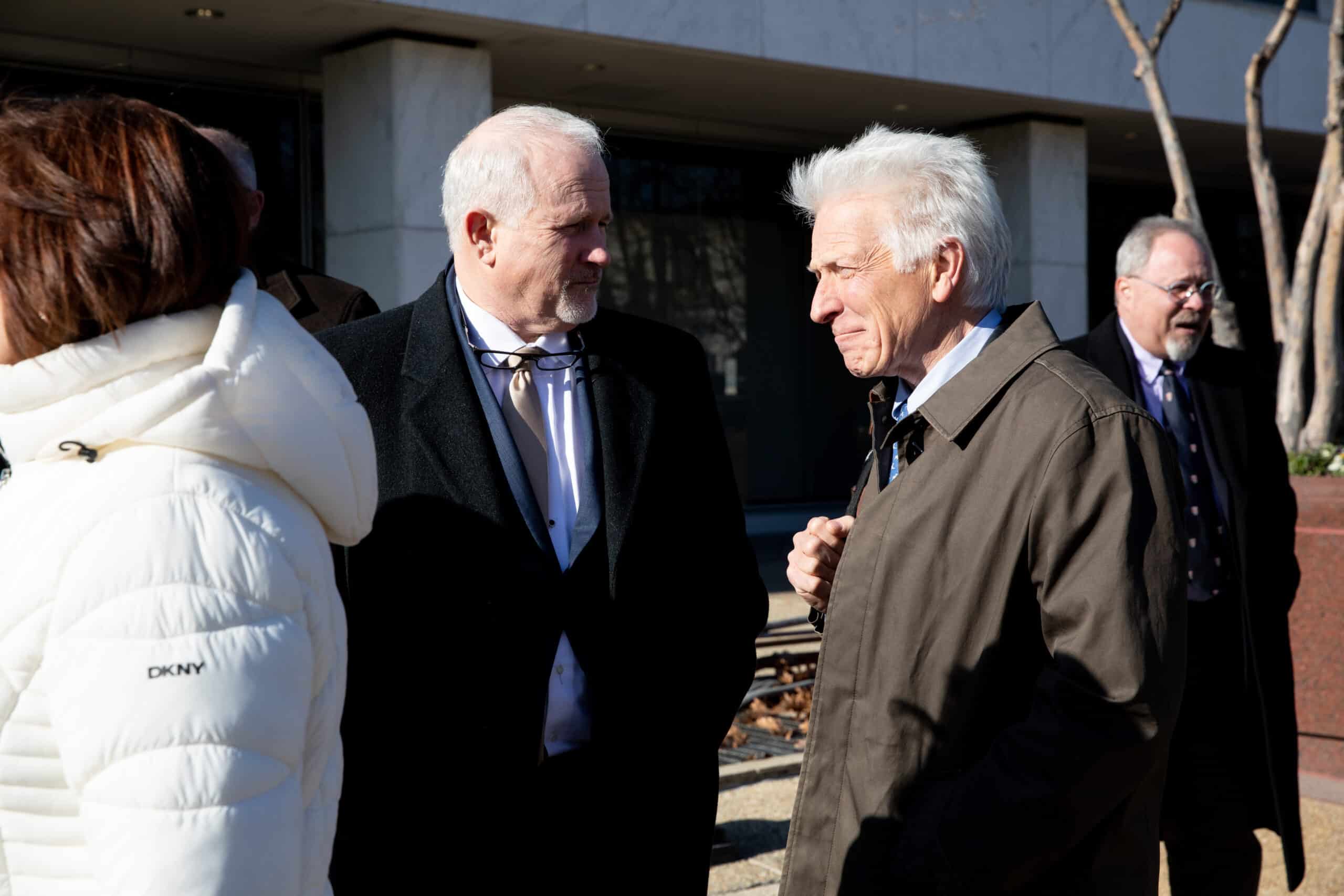
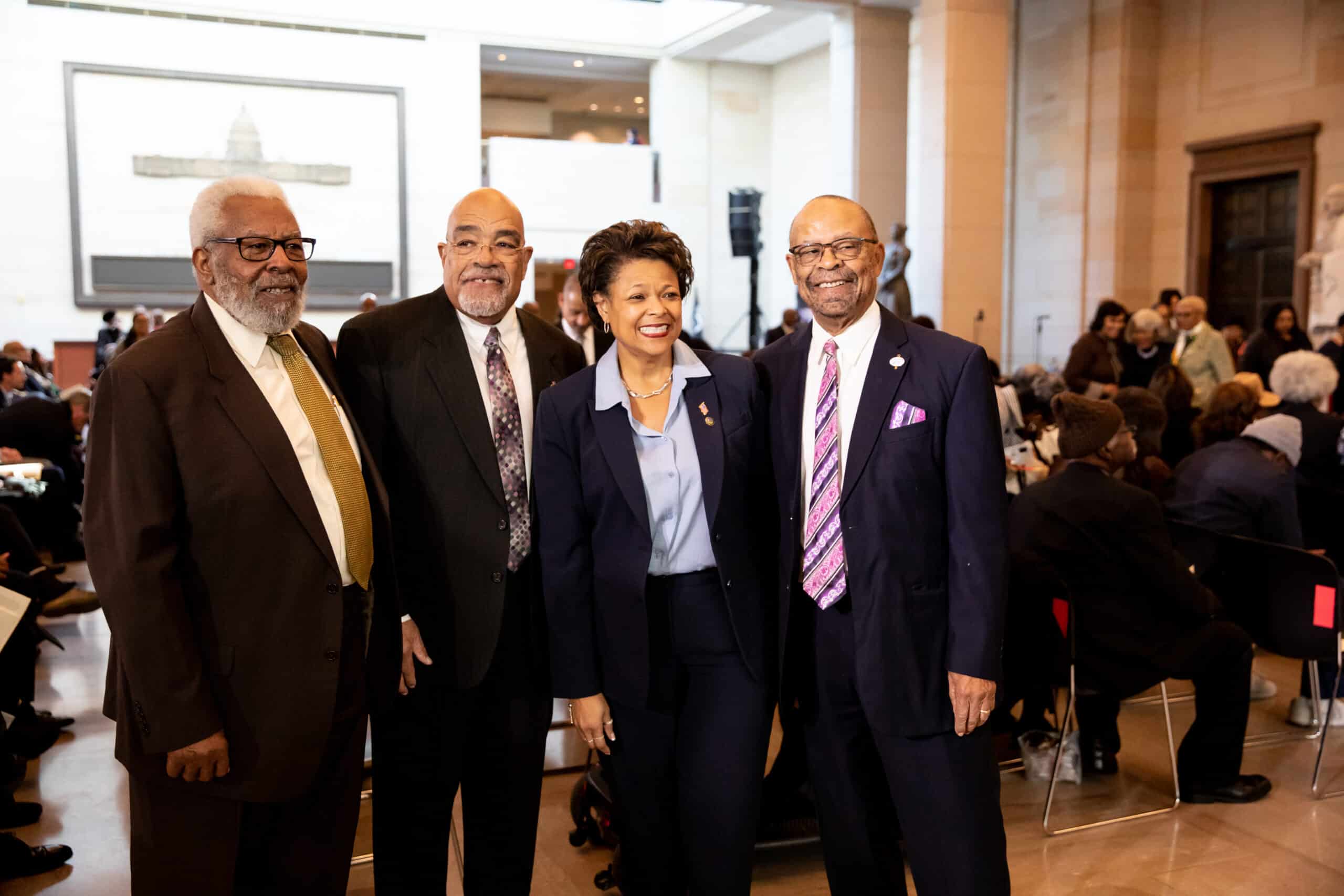
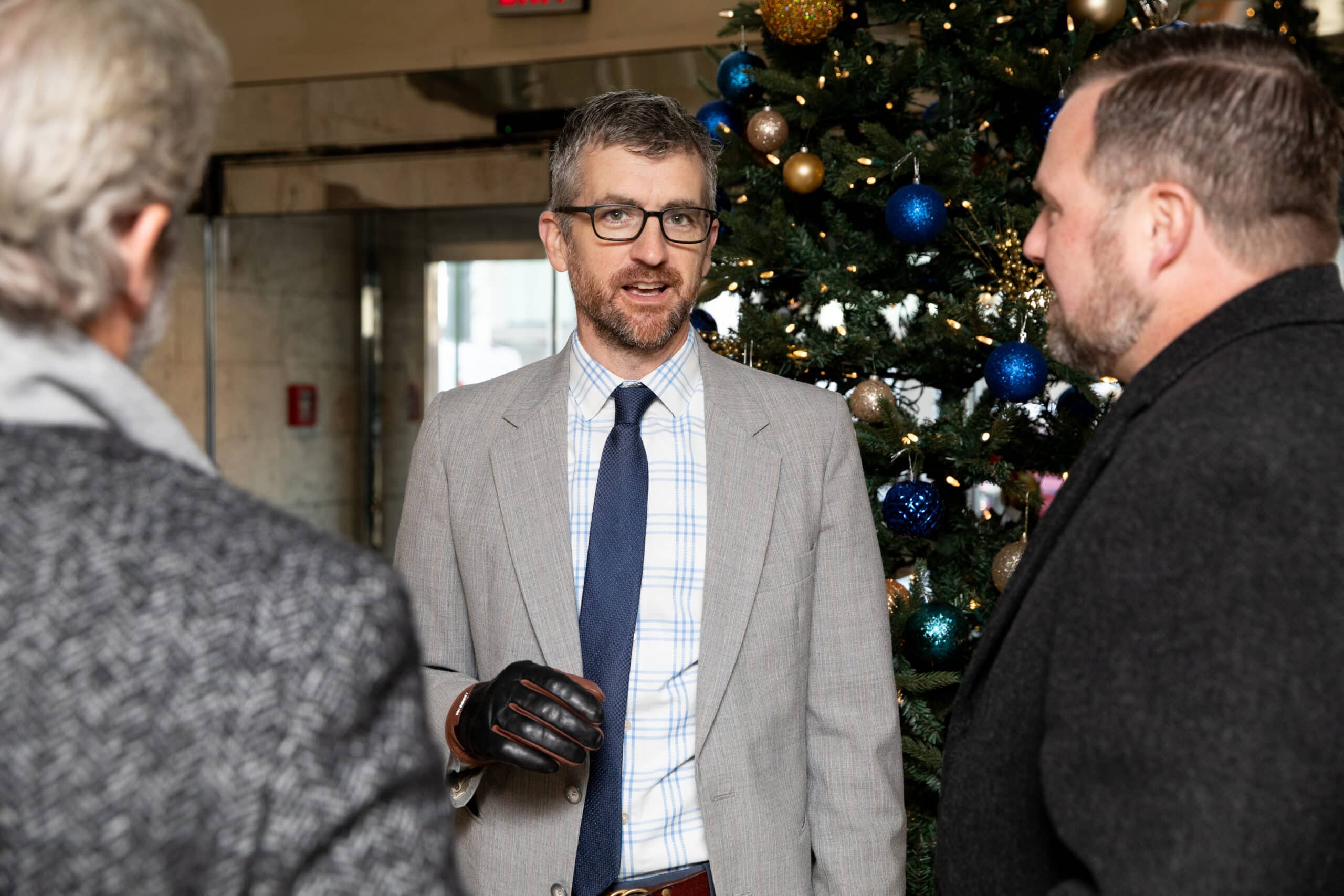
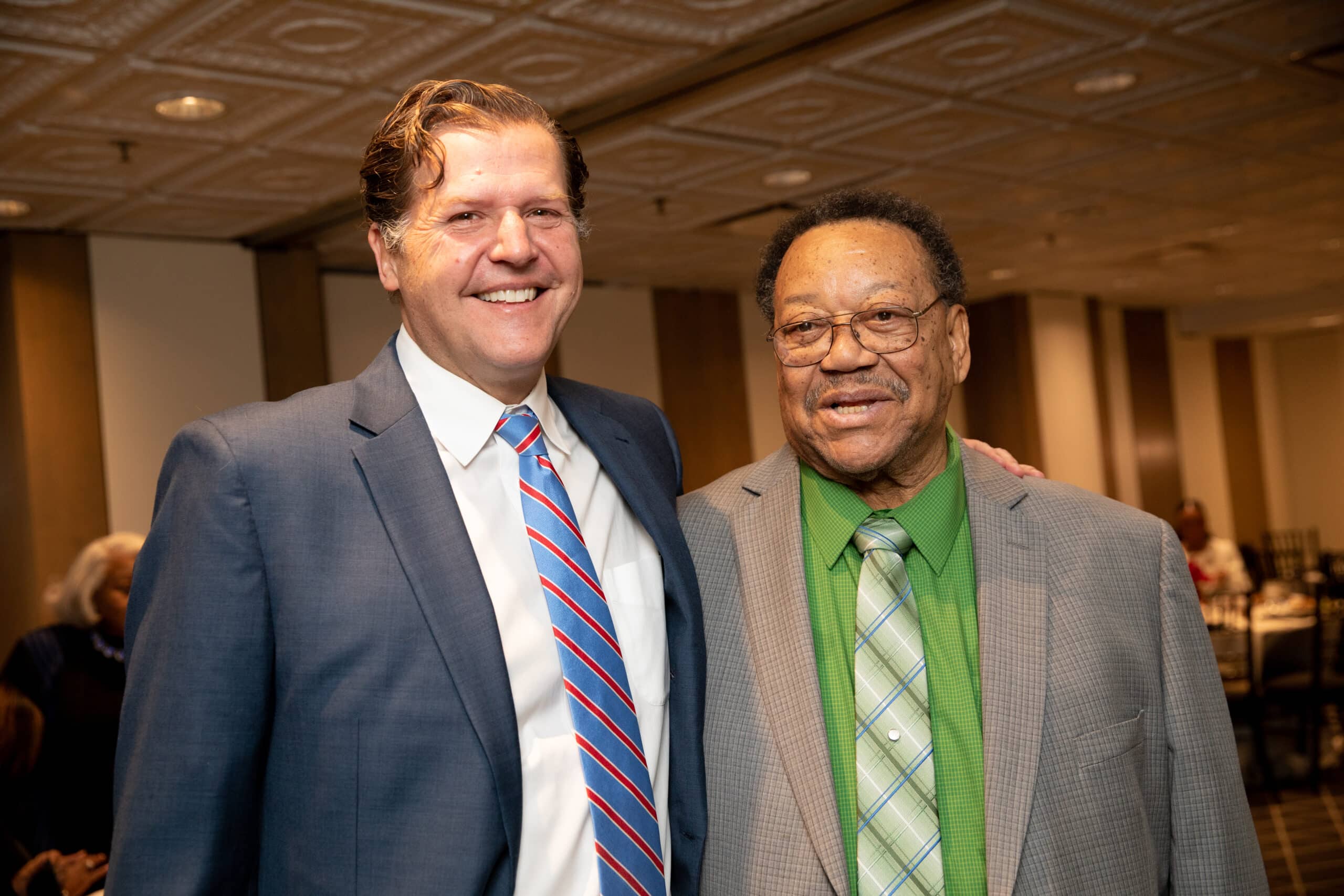
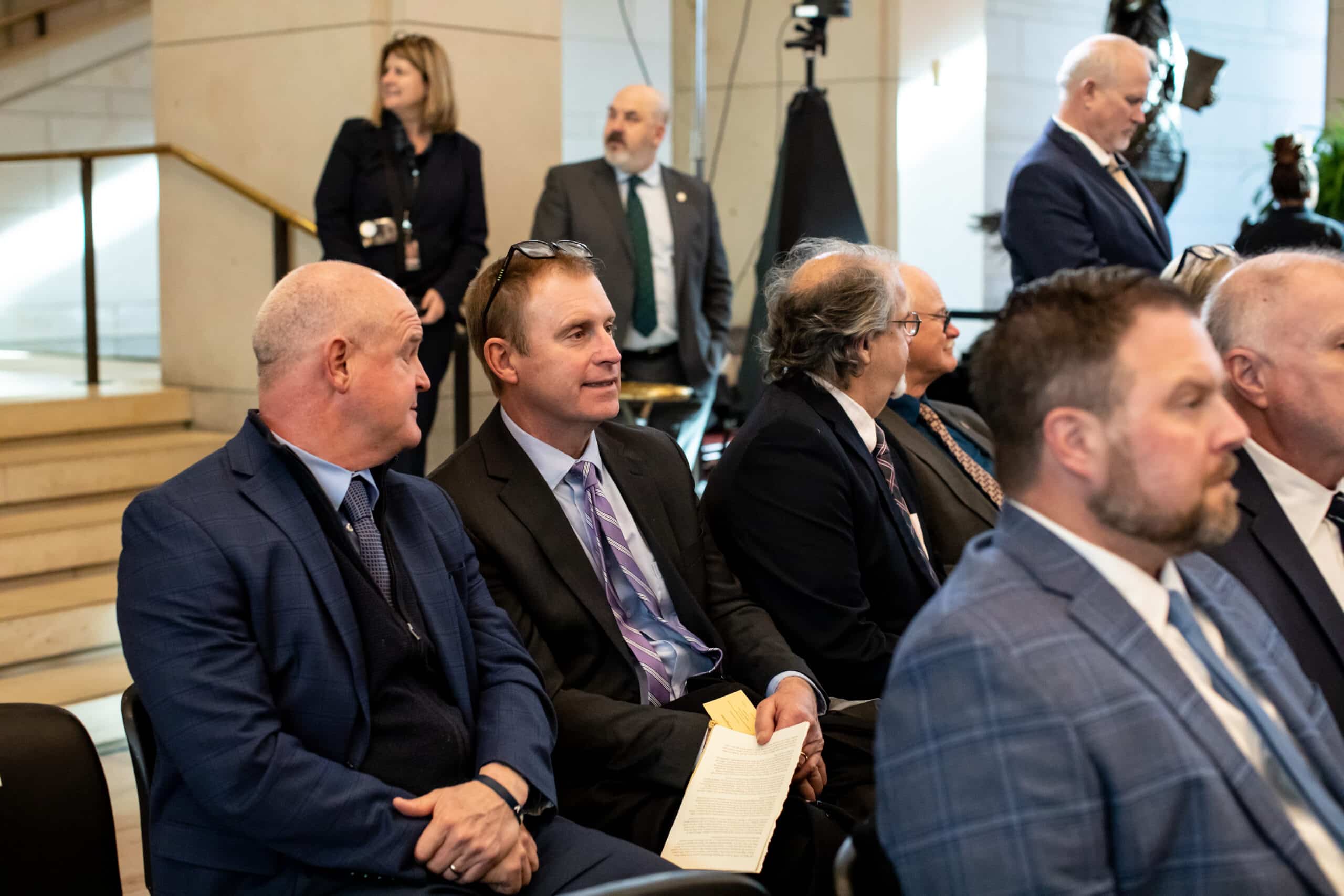
We invite you to scroll through images from December 16, 2025—when Barbara Rose Johns’ legacy was formally recognized in the U.S. Capitol. Members of our Moton Museum community, alongside partners from Longwood University and the Farmville and Prince Edward County communities, traveled together to witness a moment that did not begin in Washington, D.C., but in Prince Edward County, Virginia, in 1951.






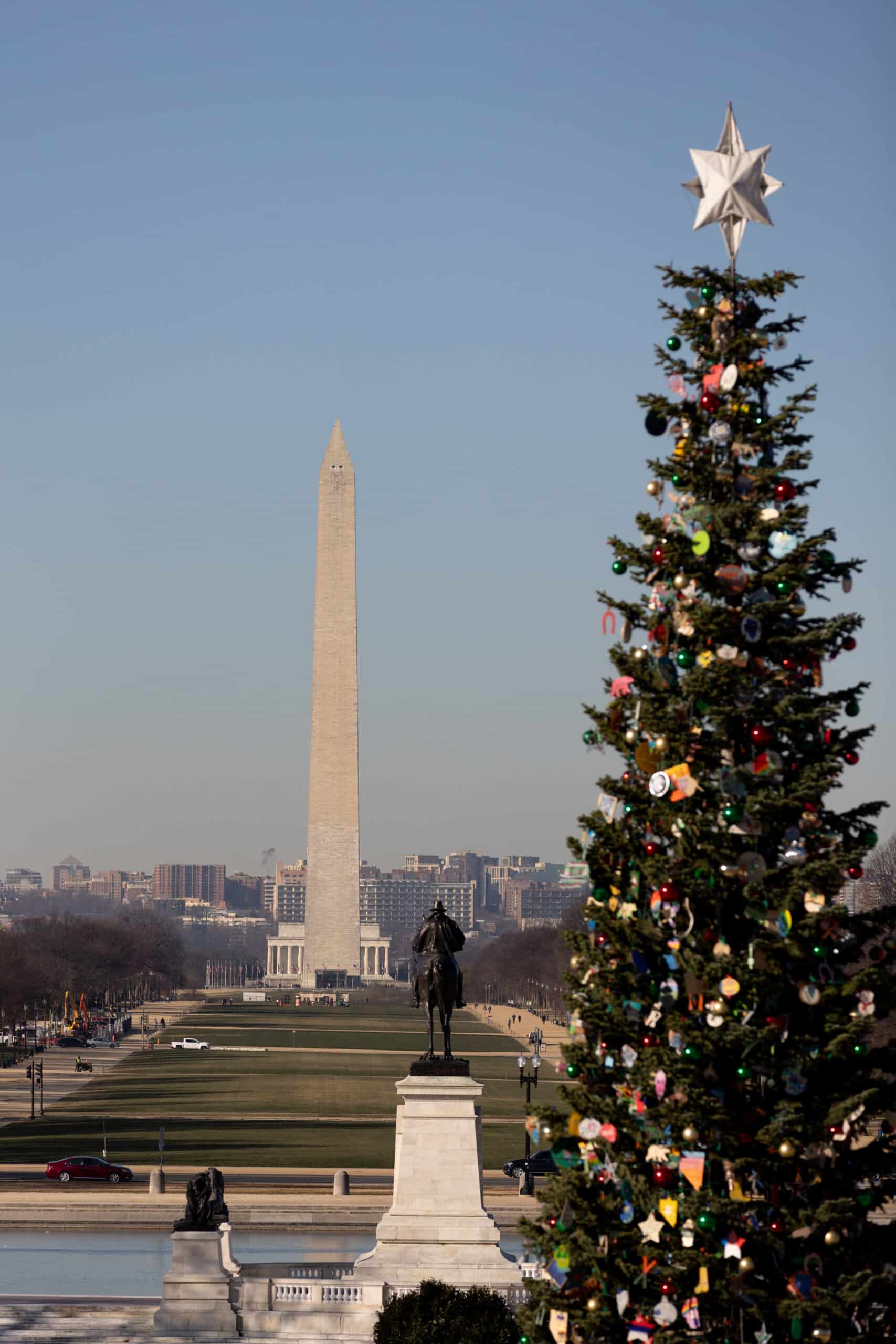
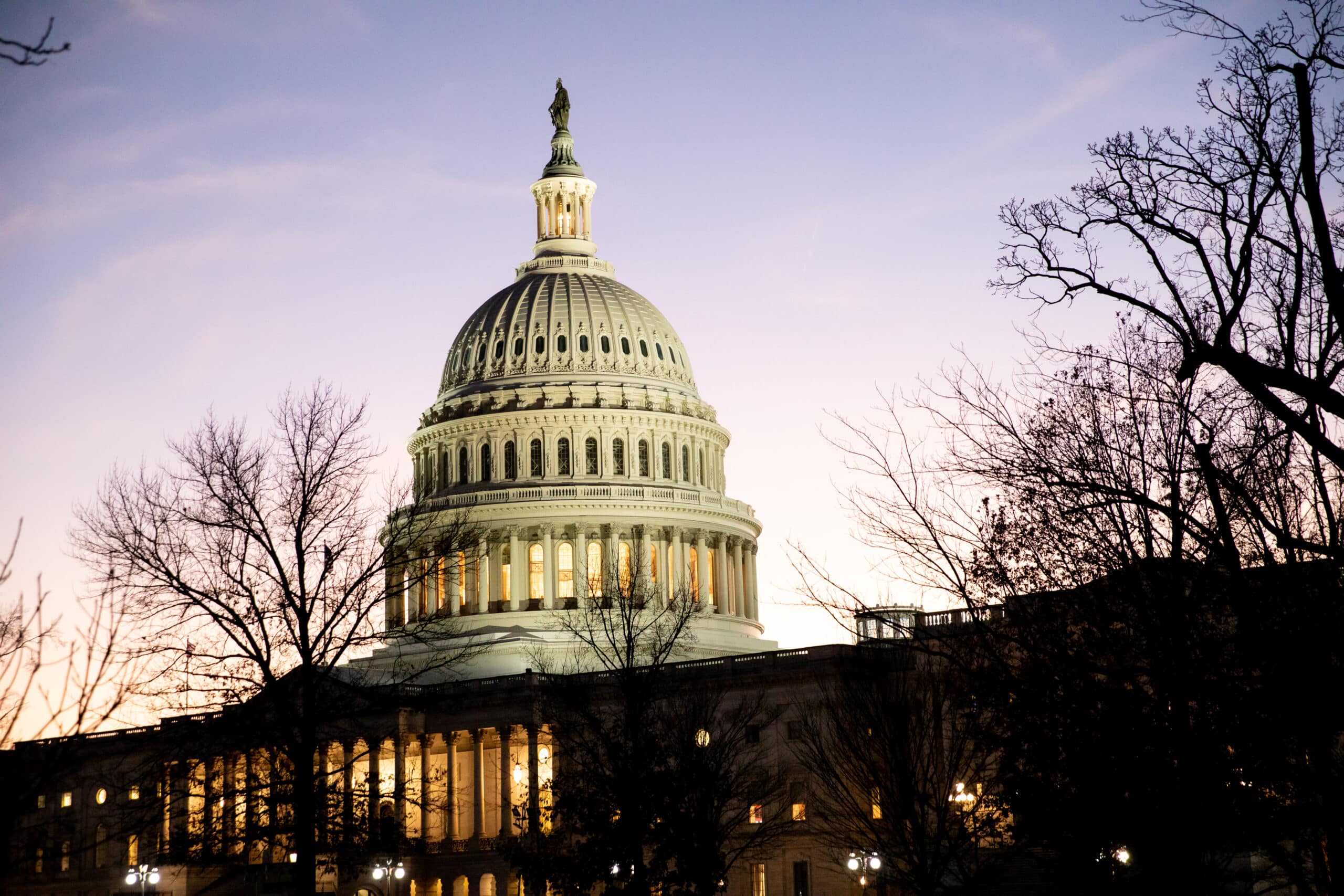
Washington, D.C., is a city of statues.
They stand in parks and public squares, at intersections and inside federal buildings—quietly shaping how we remember our nation’s story and whose lives we choose to honor within it.
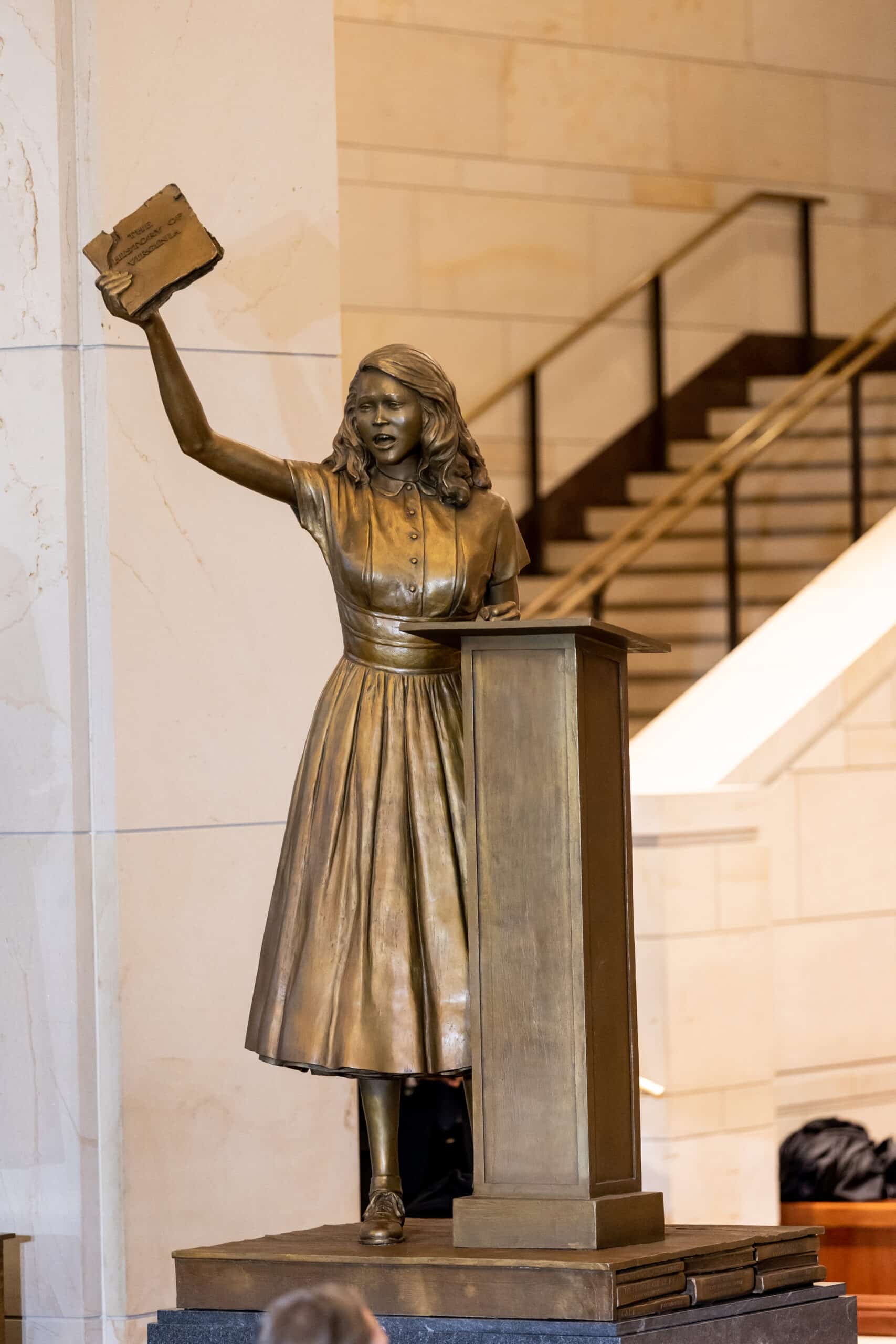
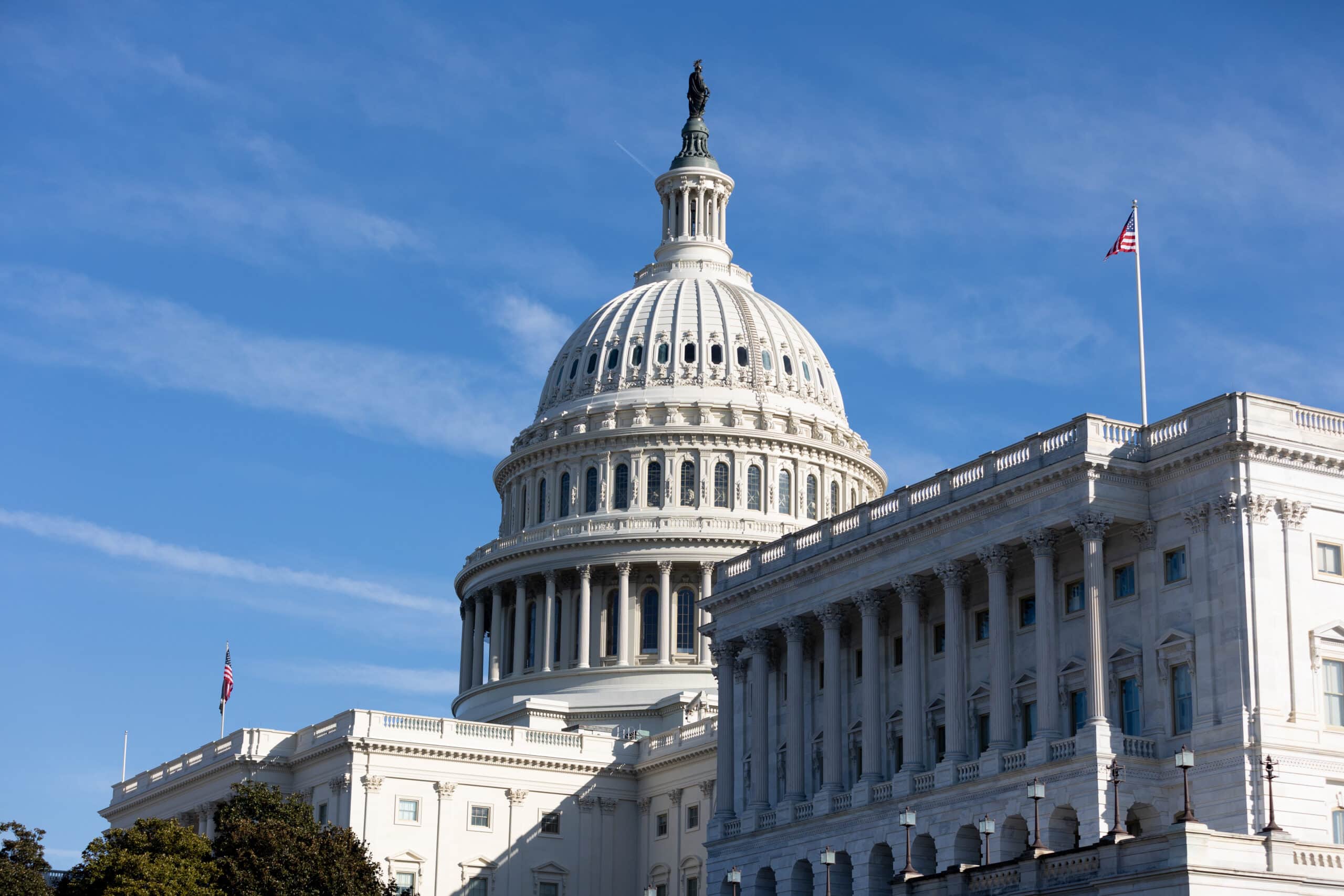
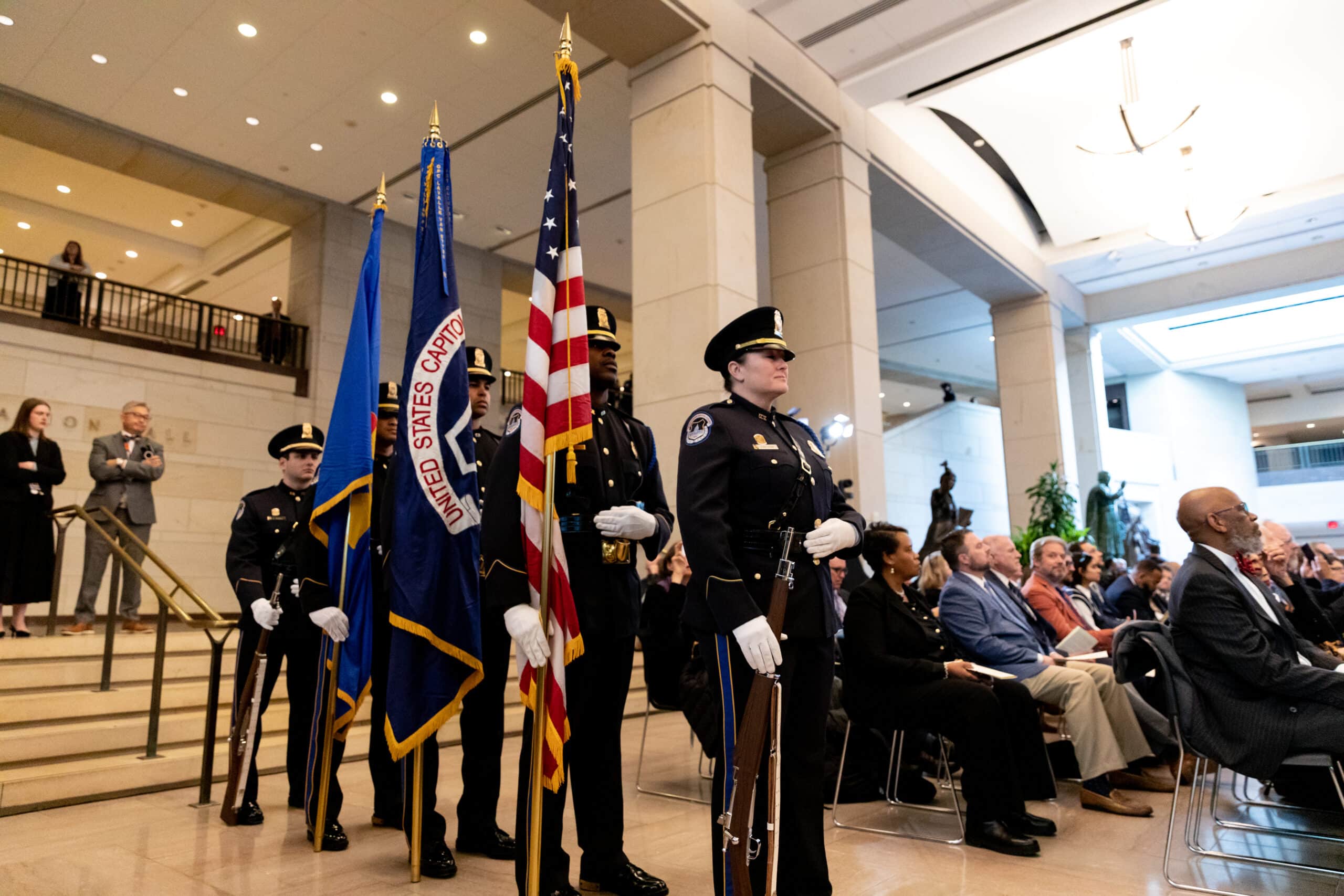
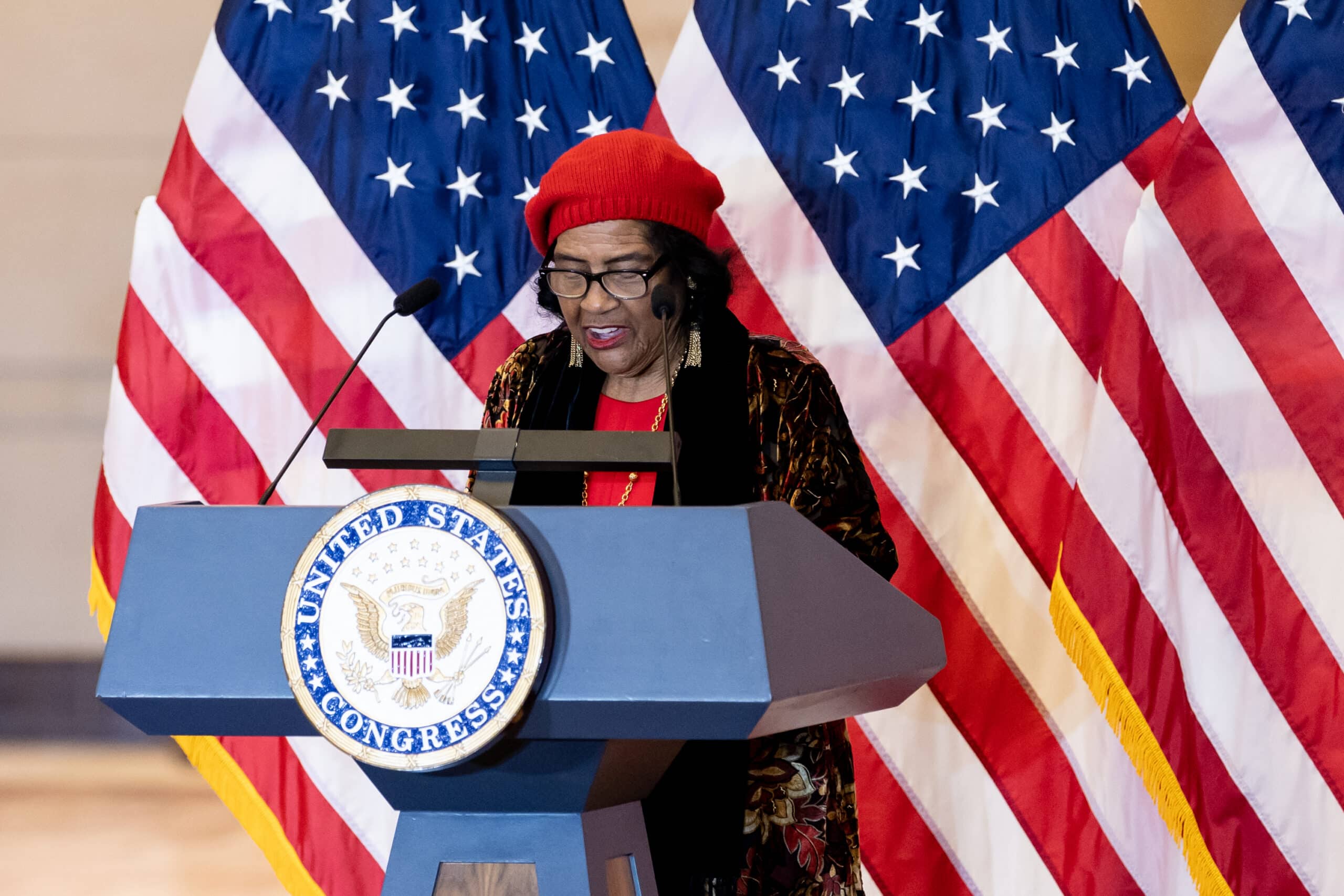
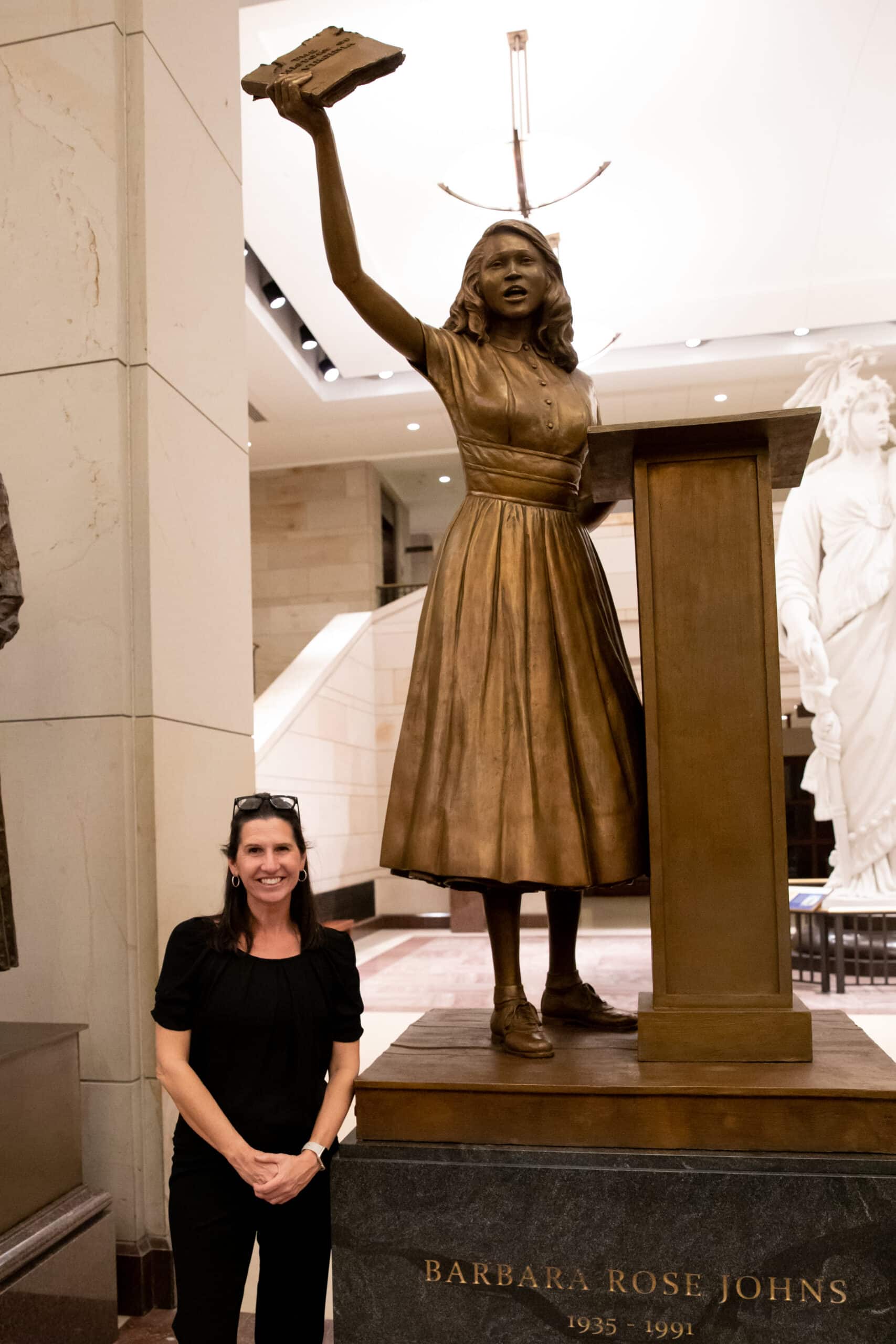
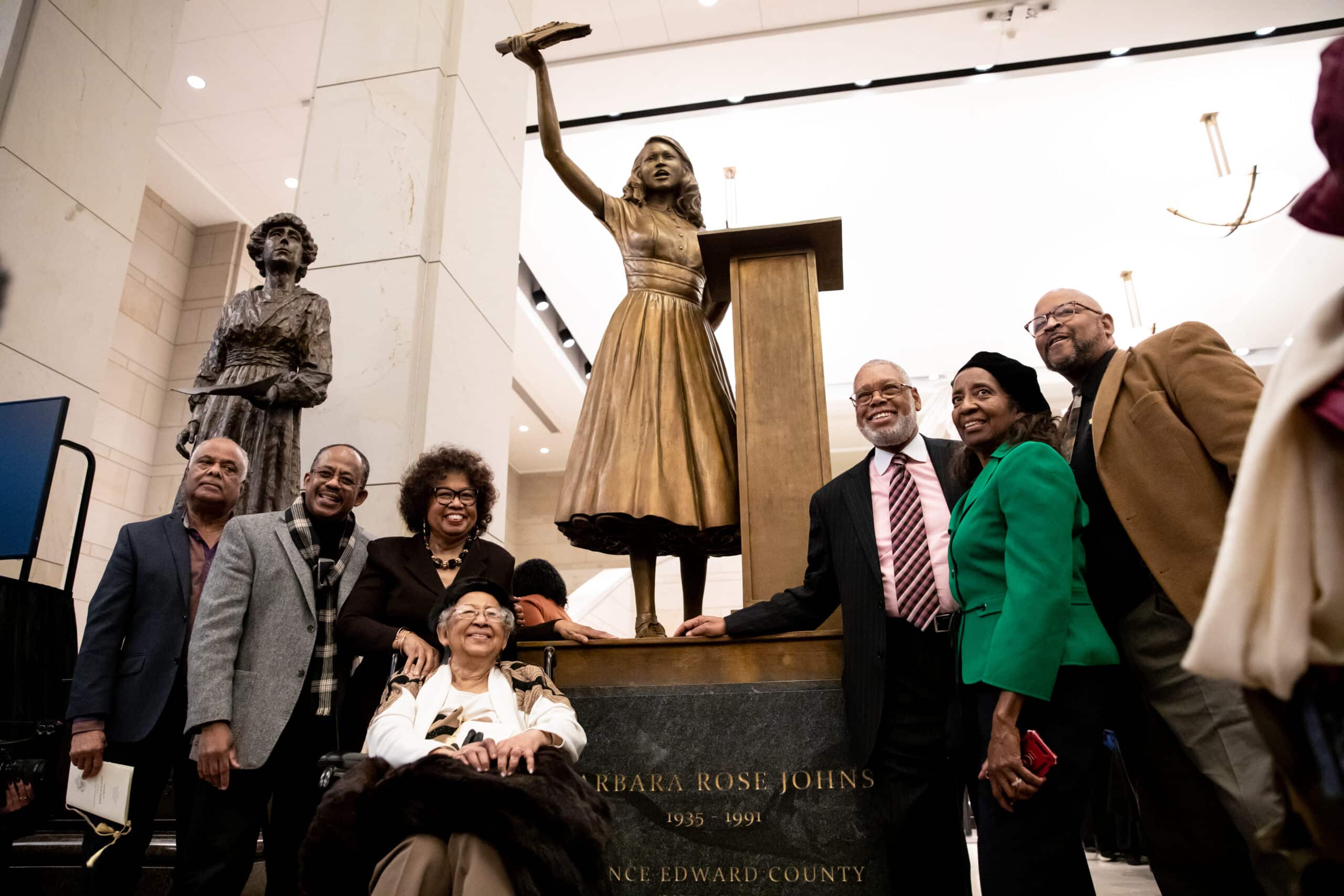
On December 16, 2025, Virginia’s story took its rightful place in that national landscape when the statue of Barbara Rose Johns was unveiled at the U.S. Capitol. The statue was first presented in Emancipation Hall and then moved to its permanent home in the Capitol Crypt, where it stands as Virginia’s contribution to the National Statuary Hall Collection.
This moment honors a young woman whose leadership helped change the course of American history—and it reminds us that moral clarity can come from unexpected places.
Barbara Johns’ name should be known by every American. On April 23, 1951, at R.R. Moton High School in Farmville, Virginia, sixteen-year-old Barbara Johns called an assembly and persuaded her classmates to strike in protest of deplorable school conditions. Their courage sparked a legal challenge—Davis v. County School Board of Prince Edward County—that later became one of the cases consolidated into Brown v. Board of Education, the landmark Supreme Court decision that ended legal segregation in public schools.
The students’ audacity was breathtaking. They reached out to NAACP attorneys Oliver Hill and Spotswood Robinson, who agreed to take their case under one condition: the fight would not be for a better building alone, but against the very idea of segregated education.
When the Supreme Court ruled in 1954, it changed America. But in Prince Edward County, the response was defiance. Public schools were closed for five years rather than integrate, creating what many now refer to as the lockout generation—children denied an education in the name of massive resistance.
That history is both triumphant and sobering. It reminds us that progress often comes with struggle, and that the cost of resistance is too often paid by children.
As Executive Director of the Robert Russa Moton Museum—and as the great-grandson of a plaintiff in the Moton case and the son of someone whose education was impacted by the school closings—the most meaningful part of this work is witnessing how young people connect with Barbara Johns today. They do not simply admire her; they recognize themselves in her courage. They see what principled civic engagement looks like, even when it comes at great personal risk.
Working at Moton makes it hard to believe in coincidences. In the museum’s early days, an unhoused man lit a fire on the auditorium floor to keep warm. By chance, Thomas Mayfield drove by, sensed something was wrong, and put out the flames. The burn mark remains today—a reminder that the building could have been lost, and with it, a story that the nation now pauses to honor.
This statue, and this day, would not have been possible without the Commission for Statues in the U.S. Capitol. After five years of work, Barbara Johns’ statue has finally arrived. Reaching this moment reflects the efforts of many partners who believed in the importance of telling this story fully and accurately.
I am grateful to Longwood University, a partner since 2015, for fostering thousands of students, many of whom are future educators. I also thank the National Park Service and the Brown Five, the five localities connected to Brown v. Board of Education. Local leaders, including the Town of Farmville, the Prince Edward County Board of Supervisors, and the School Board, demonstrated that history—even a complicated past—can unite rather than divide. The Martha E. Forrester Council of Women showed foresight and dedication in preserving the Moton building, while former and current Moton board members and staff worked tirelessly to ensure this story continues to be told with care and integrity.
Still, the truest credit belongs to those who lived this history: Moton alumni; individuals whose education was impacted when the schools closed; and the descendants of families who continue to insist that this story be remembered and shared.
I also want to acknowledge those who paved the way, including Reverend J. Samuel Williams, Joy Cabarrus Speakes, Thomas Mayfield, General Sam Wilson, and many others whose contributions remain vital.
Barbara Johns was guided by faith and reflection. The statue includes the biblical line, “And a little child shall lead them,” a passage that shaped her understanding of purpose and responsibility. She prayed, went to the woods, and—like her grandmother—talked to the trees. From that reflection came an idea. From that idea came a student strike. And from that strike came a national reckoning.
Special recognition belongs to Barbara’s family: Joan Johns Cobb, Ernest Johns, Roderick Johns, Robert Johns, and Barbara’s daughters, Terry Kelly and Dawn. I am grateful that you were able to witness this unveiling and that the nation will now know what we in Prince Edward County have known for nearly 75 years: the Johns family changed the course of American history.
Barbara Johns’ inclusion in the National Statuary Hall Collection is significant. Women remain underrepresented among the honorees selected by the states, and her presence stands as a reminder that leadership often emerges from places—and people—long overlooked.
As we look ahead, I encourage continued engagement with the Robert Russa Moton Museum as we prepare for significant milestones, including the 2026 Semiquincentennial, the 100th Anniversary of Negro History Week, the 75th Anniversary of the Moton School Strike, and the 25th Anniversary of the Moton Museum.
Exciting projects are also on the horizon, including efforts to develop a feature film or miniseries about the Moton story and the continued pursuit of UNESCO World Heritage Site designation. One day, the Robert Russa Moton Museum may be recognized among the world’s most significant places of human conscience.
The images shared here capture more than a single day. They reflect a journey—one that began with students demanding dignity in 1951 and continues as new generations encounter this history, stand in its presence, and carry its lessons forward.
About the Author
Cainan Townsend is Executive Director of the Robert Russa Moton Museum and a native of Prince Edward County, Virginia. He is the great-grandson of John Townsend, a plaintiff in Davis v. County School Board of Prince Edward County, one of the cases consolidated into Brown v. Board of Education. His family lived through the era of massive resistance and the school closings, grounding his leadership and stewardship of the Moton story in lived experience.
